Wednesday, 22 January 2020

HeadsUp: Nightly Subway Maintenance Starting January 26

HeadsUp: Nightly Subway Maintenance Starting January 26
By Benjamin Barnett

The subway will be closing early each night at 9:30 p.m. starting January 26 and continuing for approximately one week for extended maintenance hours. Bus substitution service will connect to all stops.

On most nights, our teams have about two hours to get work done between evening and morning service. In order to complete critical maintenance tasks that cannot be completed during normal windows, we are planning this week of early subway closures, so crews have more hours each night to do vital work. This is our ongoing effort to maintain the subway infrastructure to ensure safety and reliability. The last early subway closures for maintenance took place in August 2019. 

What Are We Doing?

  • Track Maintenance. Installing new track hardware in a pilot segment to evaluate new technology.
  • Signal Maintenance. Perform cable tests and inspections to identify problems and future upgrades.
  • Overhead Lines. Replace worn overhead wire; Adjust system supports and tension to deliver better performance of pantographs and improve overhead wire life.
  • Custodial Services. Deep cleaning each station.
  • Station Maintenance. Address overdue or restricted access maintenance and preventative maintenance priorities.

When the subway closes, buses will run above ground to connect all stops through the normal end of train service. Owl service will remain unchanged. Trains will start regular morning service each day.

Transit Service Plan – 9:30 p.m. to 1 a.m.

  • Shuttle buses will serve all Muni Metro stops between Embarcadero & Brannan and St. Francis Circle
  • K – Train service between Balboa Park and St. Francis Circle
  • L – Train service between SF Zoo and West Portal
  • M – Train service between Balboa Park and West Portal
  • N – Train service between Ocean Beach and Church & Duboce
  • J – Train service between Balboa Park and Church & Duboce
  • T – Train service between Sunnydale and Embarcadero & Brannan

Inbound N Judah and outbound J Church trains will use the accessible stop entering the Duboce Portal to serve customers needing the ramp.

Plan extra travel time when riding Muni during subway closure. Regular bus fares will apply on bus shuttles and valid transfers will be accepted.
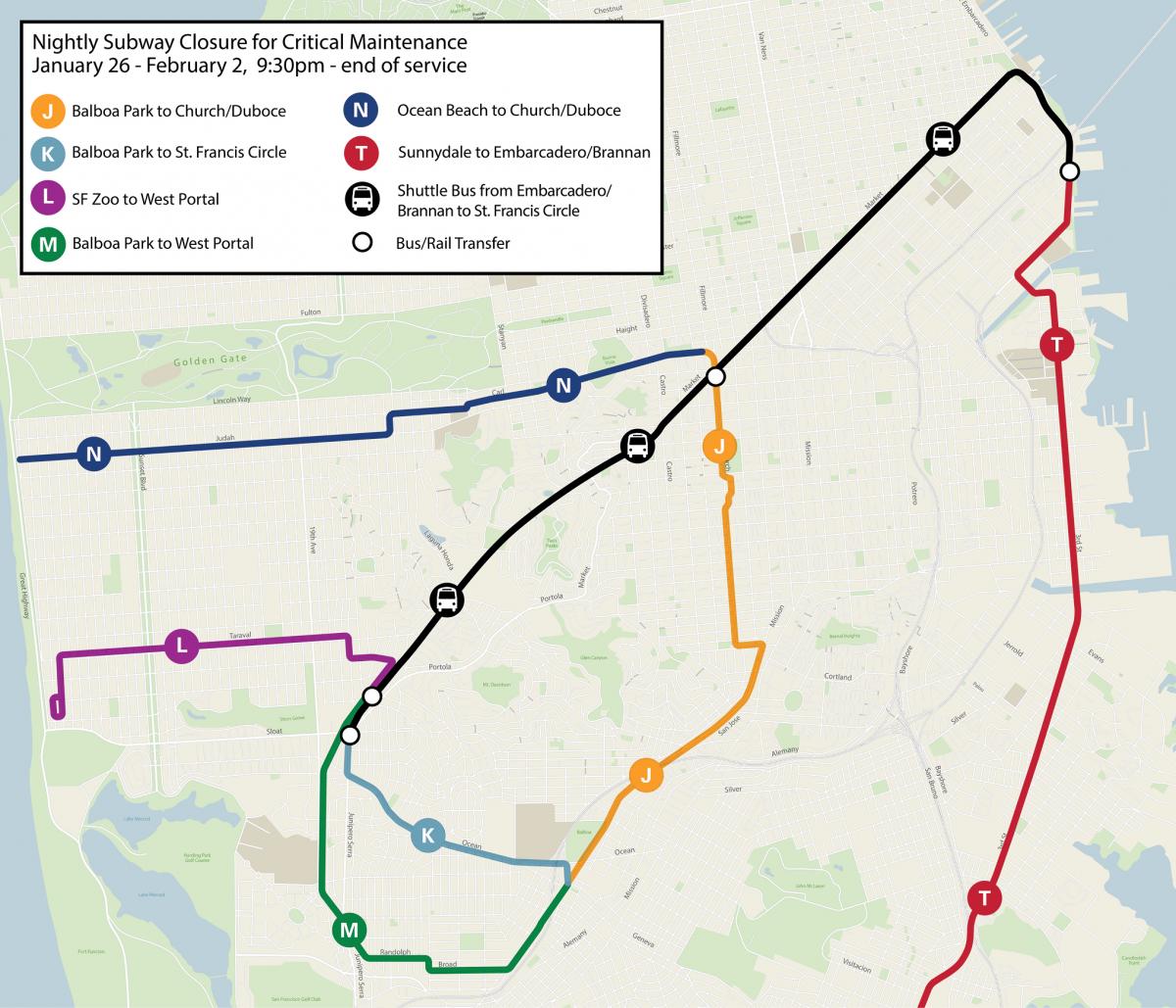
Early Subway Closure Map

What Did We Complete In August?

Track Maintenace

  • Replaced four worn switch points.
  • Removed and replaced two sections of corroded rail. 
  • Replaced two curved switch points at Duboce.

Signal Maintenace

  • Replaced batteries for the following relay rooms: Church, Civic Center, Castro, Embarcadero, Forest Hill and Powell Station.
  • Provided support to Track Maintenance to make final adjustments to the switches. 
  • Performed an end to end inspection of the ATCS (Automatic Train Control System) from West Portal to Castro Station.

Overhead Lines

  • Replaced a total of 4700 feet of overhead contact wire and support hardware at various locations.
  • Eliminated 30 wire splices
  • Removed, replaced and aligned five Section Breaks


Published January 22, 2020 at 09:55AM
https://ift.tt/2NQFbGY

Tuesday, 21 January 2020

SFMTA Public Meetings January 21 - February 4

SFMTA Public Meetings January 21 - February 4
By

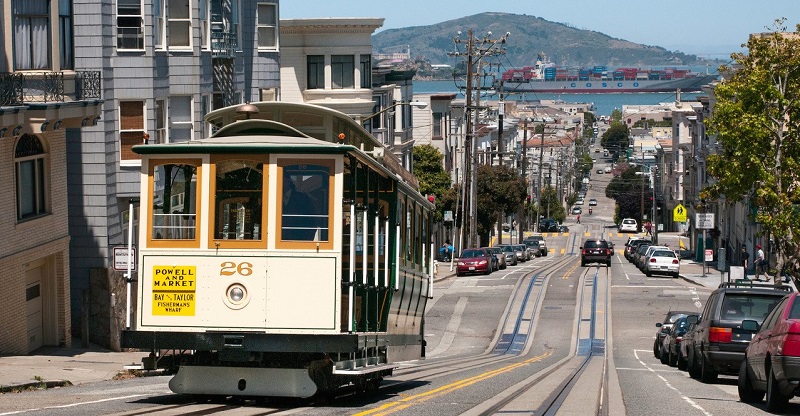
Mason Cable Car coming up the hill

Board of Directors Meeting

Tuesday, January 21, 1 p.m.
City Hall, Room 400
Nearby Muni Routes: 5, 19, 21, 47, 49, F Market, Civic Center Station

The SFMTA Board of Directors provides policy oversight for the safe and efficient transportation of goods and services in San Francisco. This includes the San Francisco Municipal Railway (Muni), automobiles and trucks, taxis, bicycling and walking. The SFMTA Board of Directors also serves as members of the San Francisco Parking Authority.

Our board of directors meetings are usually held on the first and third Tuesdays of each month. The agenda for Tuesday's meeting includes presentations regarding the recommendations of the San Francisco Muni Reliability Working Group, the Building Progress Program and Adaptive E Scooters.

Van Ness Business Advisory Committee Meeting

Thursday, January 23, 6 p.m.
Union Square Conference Room
Nearby Muni Routes: 5, 6, 7, 9, 19, 47, 49, Van Ness Station

The Van Ness Business Advisory Committee is made up of representatives from a diverse cross-section of Van Ness Project Corridor businesses. Members act as the voice of the community and provide recommendations and advice on how staff can best work with local businesses during construction of the Van Ness Corridor Transit Improvement Project to bring out the character that has made this vital thoroughfare one of the city’s grand avenues. Members of the public may address the Van Ness Business Advisory Committee on matters that are within its jurisdiction and are not on today’s calendar.

Board of Directors Special Meeting

Tuesday, January 28, 9 a.m.
SFCTA Hearing Room, 22nd Floor
Nearby Muni Routes: 5, 6, 7, 9, 19, 47, 49, Van Ness Station

The SFMTA Board of Directors is holding the yearly workshop to discuss the challenges and successes of the past year. Discussion and presentations will include transportation plans, updates to the strategic plan and the upcoming fiscal year budget.

Our Meeting Round-Up feature highlights different SFMTA public meetings that will be held within the coming two weeks. These meetings give you the chance to share your ideas and provide us with helpful feedback. Join us at our next meeting to learn more about SF's changing and complex transportation system.

Those listed above are just a few highlights. You can find a full list of upcoming meetings to keep up to date on your favorite SFMTA committees.


Published January 21, 2020 at 01:13PM
https://ift.tt/2Rdduue

Friday, 17 January 2020

SF Restaurant Week: January 22nd-31st

SF Restaurant Week: January 22nd-31st
By Jeanne Brophy

It’s once again time for San Francisco Restaurant Week, where some of the best neighborhood restaurants thoughtfully create prix-fixe menus that highlight some of their signature tastes or take the opportunity to feature a new dish. It’s a great week of restaurants strutting their creativity to give you, the diner, a peek at the food to tempt you to return.

This year SF Restaurant Week will feature two-course lunch and three or more course dinner menus at different prices determined by the restaurant:

Lunch (2+ course):  $15.15 & $25.25

Dinner (3+ course): $40.40 & $65.65 menus

Visit the SF Restaurant Week listings to choose by neighborhood or cuisine preference—menus are also included.

You may want to get yourself out via the 5 Fulton to experience the neighborhood gem Cassava where they are known for an exceptional Japanese breakfast of miso soup, market fish, pickles and the most sublime soft shell-poached egg in broth you may ever experience—right there in the Balboa District.   

Grab a colleague and hope on one of the vintage street cars (Line F) for an extended lunch at Starbelly over in the Castro for that fried chicken po’boy with jalapeno and radicchio slaw.

Dinner options are wide-ranging: you can’t go wrong at Blue Plate on Mission Street, easily accessible by the 14, J Church and 49. Offerings include the indulgent black truffle gnocchi, blue plate meatloaf or egg tagliorni with lemon. An exceptional value can be found at China Live, a 30,000 square foot culinary and cultural destination in the heart of Chinatown.   

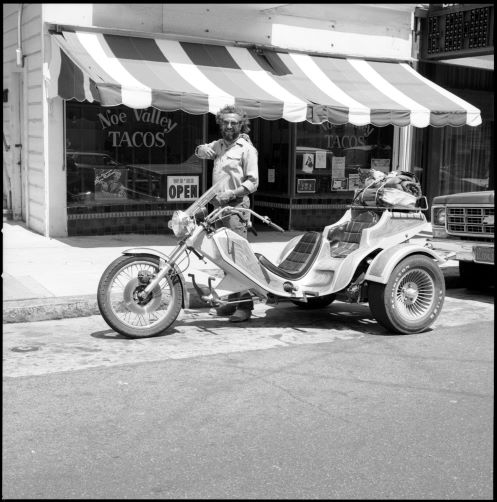
Vintage black and white photograph of a person standing over his motorcycle in front of a restaurant called "Noe Valley Tacos"

Whatever way you get there SF Restaurant Week offers Mexican, Indian, Italian, Caribbean and all sorts of tasty delights for lunch or dinner. Check out a new neighborhood and support a small business between January 22-31. 

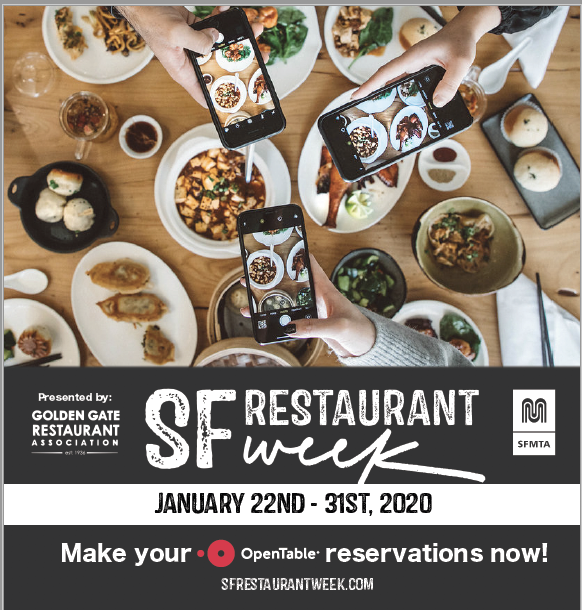
Add for SF Restaurant Week January 22-31. Image a table full of food with phones hovering above ready to take pictures.

SF Restaurant Week, January 22-31, features two-course lunch and three or more course dinner menus.


Published January 17, 2020 at 03:31PM
https://ift.tt/30wxhaO

Adaptive Scooters for People with Disabilities

Adaptive Scooters for People with Disabilities
By

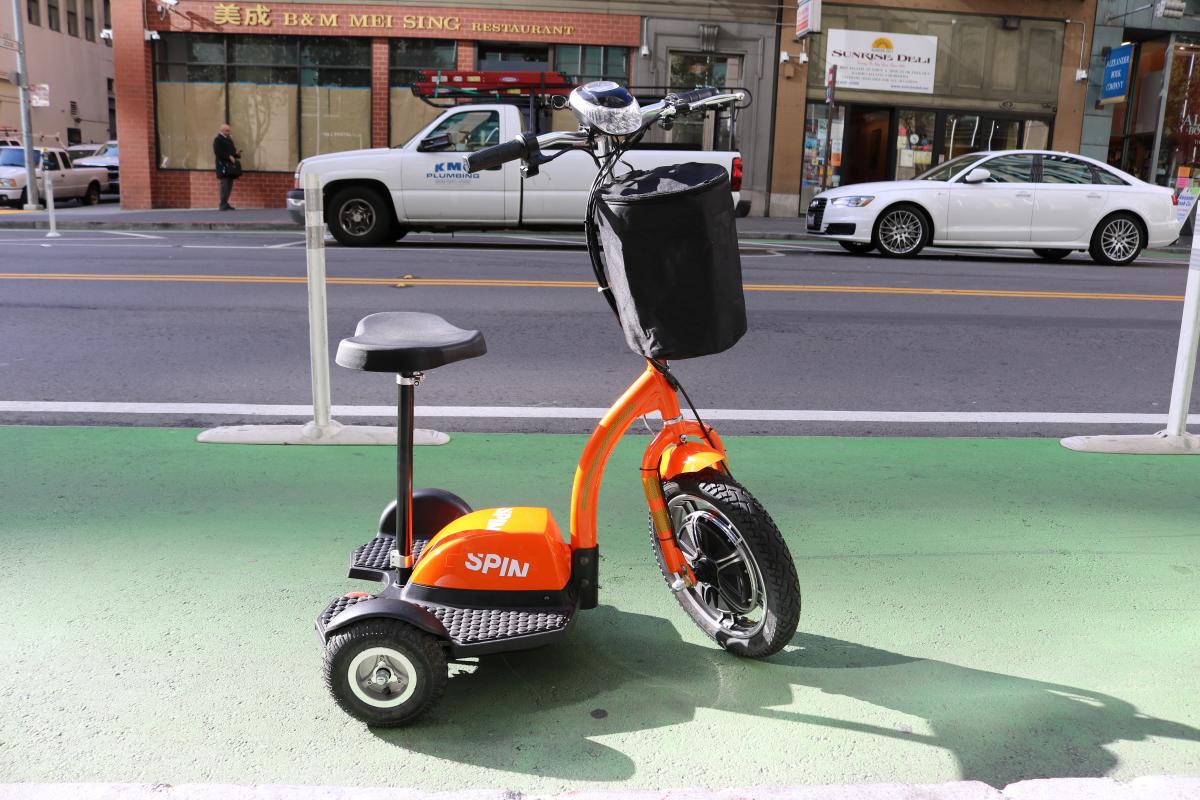
Spin adaptive scooter

We are committed to a transportation system that serves everyone. However, the recent and rapid introduction of new transportation services has not always included all San Francisco residents and visitors, especially people with disabilities. As an agency, we are actively shaping our approach to emerging mobility services and technologies to ensure that they are accessible to all. That is why we were a proud partner in last summer’s adaptive bike-share pilot and, when we established a permanent permit program for Powered Scooter Share, we required that all permittees develop an adaptive scooter pilot program to make shared micromobility more accessible to people with disabilities. Starting January 15, 2020, four unique adaptive scooter pilot programs, with a total of 50 adaptive scooters, are now available to the public through our permitted scooter operators, Jump, Lime, Scoot, and Spin.

A program of this kind is very new and we do not have many peer programs to look toward for guidance. Because of this, the SFMTA did not require applicants to deploy a specific vehicle type or service model. Rather, permittees were instructed to develop vehicles and corresponding services that are based on input from people with disabilities. Below we have prepared a summary of each permittee’s respective pilot program. As these programs may change over time, we encourage you to visit each company’s website for current updates.

From the pilots, we hope to better understand the device types, fleet sizes, and program models that will best fit the needs of a diverse group of riders with disabilities who have not had access to the standard shared scooter program.  Permittees are expected to actively solicit input and feedback on their pilots and iterate on their initial vehicle and program designs in order to best meet community needs. Our learnings throughout the pilot will help to inform any permanent program or requirements moving forward.

In addition to providing equal access to all services, we are always committed to ensuring that scooters and other shared micromobility vehicles do not endanger pedestrians or otherwise hamper accessibility of the streets and sidewalks. We are closely monitoring operator performance so that we can enforce and, when needed, void operator contracts. Our enforcement team is out in the field tracking scooter activity and responding to complaints. Investigators cite shared scooters that do not comply with our parking guidelines and notify scooter companies of sidewalk riding. Permittees must investigate and resolve all sidewalk riding reports. We are also working with 311 to improve processes and make it easier for the public to make complaints about both improper parking and riding.

We want to hear from you and look forward to hosting formal opportunities for feedback during the mid-point of the pilot. In the meantime, you may submit a comment through our Regulated and Emerging Mobility Comment Form or through 311. And, if you are a resident or regular visitor to San Francisco and have a disability, we encourage you to complete this survey on your experiences, perceptions, and priorities around emerging mobility services. Respondents are eligible to win a $50 Safeway gift card from the survey administrator, UCLA.


Jump

Lime

Scoot

Spin

Device Type 3-wheeled scooter 2-wheeled scooter with seat 2-wheeled scooter with seat

3-Wheeled Device with
Seat, Standing platform & Handlebar

Number of Devices

2 RASSINÉ Tristar Scooters at launch (plan to scale to 10 total vehicles)

22 at the start with plans to increase to 33 10

10 - 15

Reservation Process

Please call or email to make a reservation 24 hours in advance. Phone Number: (415) 326-4880
- Email
- Online

Reserve in-app, at least 24 hours in advance. The scooter will be delivered and picked up to/from the rider.

This pilot is not yet open to the public. Please contact Bob at bob@scoot.co for more information.

Set up an account and make reservations:
- Online
- In-app (through FAQ section)
- By phone: (888) 262-5189 

Service Area/Pick-Up Drop Off Locations

Pick-up/Drop-Off at: 140 Bluxome Street, San Francisco, CA 94107

The whole city (except hilly park areas: Lincoln Park, GG Park, Panhandle, Lake Merced Park, and Twin Peaks Area) Same as the standard device service area. Rent from 1144 Howard St Return to 3 locations: 588 Brannan St, 530 Broadway St., 1537 Mission St. Devices limited to 10-degree slopes or lower
Service Hours Monday - Friday 8:30 a.m. - 5 p.m. Reservations 7 days/week, 8 a.m.- 6 p.m., excluding holidays. Once reserved, access for 24hr Same as standard device availability. All Weekdays 9:00 a.m. - 5:30 p.m., except in inclement weather
Cost Free for limited time $32/day (Lime Access users get 50% discount) Free Free, may change over course of the pilot.
Payment Method Free for limited time Credit card (and text-to unlock feature) or cash via Pay Near Me for Lime Access Users Free N/A


Published January 17, 2020 at 03:43PM
https://ift.tt/374AIbv

Thursday, 16 January 2020

Take Our New Shared Rides Survey

Take Our New Shared Rides Survey
By Bradley Dunn

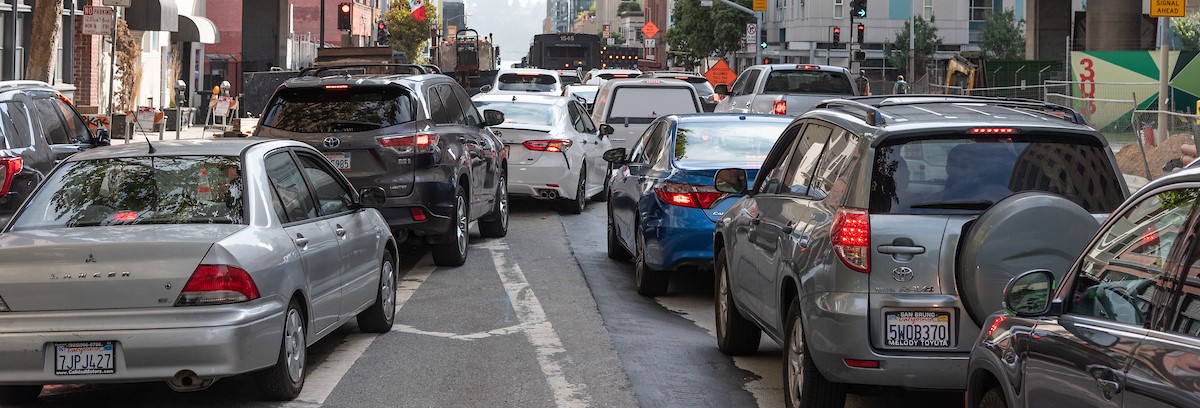
Cars merging in downtown traffic

As San Francisco continues to grow, moving more people in fewer vehicles will maximize the efficiency and sustainability of our transportation system. While the percentage of people traveling by private automobile in San Francisco has declined in recent years, about two-thirds of these private automobile trips are carrying only one person.

During World War II and the Oil Crisis of the 1970s, carpooling or sharing rides was a strategy for maximizing a scarce resource, gas.  While our vehicles have become more fuel-efficient including the introduction of hybrid and electric cars, Today, the scarce resource is street space. Shared rides are one way the SFMTA is working to make our system function more efficiently.

We want to hear from you in a new survey about carpooling and shared rides in the city.

Between 2010 and 2016, the total Vehicle Miles Traveled (VMT) in the city has increased by 13 percent, according to an analysis by the San Francisco County Transportation Authority. Together, these are some of the reasons we are seeing increased traffic congestion. With San Francisco likely to continue being a desirable place to live and with a strong economy creating more jobs in the city, it is likely that this pattern will continue in future years, further increasing congestion.

Shared rides have the potential to be part of the solution. The benefit of carpooling lies in tapping into an abundant, yet underutilized, resource: empty seats in cars. New technologies, such as real-time ride-matching, have created opportunities to make sharing rides easier. Changing attitudes toward car ownership, the growth of the sharing economy, and an increasing number of lanes that give priority to high-occupancy vehicles, make ride-sharing more attractive than ever. If these factors increase the number of shared rides, it will remove vehicles from congested roadways, reduce trip times, improve transit reliability, decrease household transportation costs, and increase mobility and access to jobs.

Whether you ride or drive, the survey is intended to help the SFMTA better understand perceptions of carpooling and sharing rides in San Francisco. The survey will seek to understand residents’ priorities and the barriers they face when considering using shared-ride options. The insights gained from this survey will inform future transportation planning decisions to encourage shared rides, which may include restriping existing traffic lanes to high occupancy vehicle carpool lanes and designating convenient drop-off curb locations for carpools and app-based shared rides.

Take the survey here! Languages available include:

For more information please visit the project webpage


Published January 16, 2020 at 02:00PM
https://ift.tt/363bubY

Bayview Community Based Transportation Plan

Bayview Community Based Transportation Plan
By Bradley Dunn

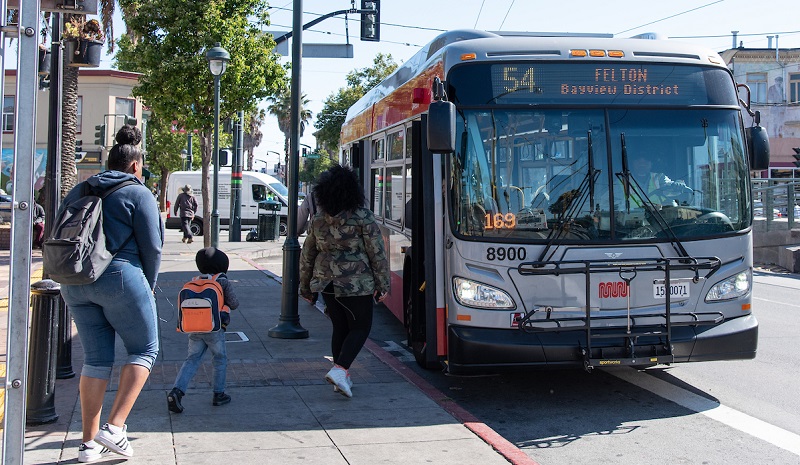
54 Felton in the Bayview District

We are thrilled to share the draft Bayview Community Based Transportation Plan – the culmination of two years of collaboration and partnership with the Bayview community to improve transportation. The Bayview transportation plan represents a commitment to a new approach to addressing transportation planning in the Bayview district. The actions and strategies we’re planning to implement in the neighborhood bring to bear a wide variety of agency resources to address long-standing concerns in the community. As we share this plan, we’re eager to get public feedback and excited to present the plan at our first February SFMTA Board meeting.

Over the past two years, we interacted with more than 4,000 residents, attended  more than 50 community meetings and events, collected more than 2,300 surveys and worksheets, and spent almost 300 SFMTA staff hours in the Bayview. This has resulted in a draft plan that spells out actions and strategies for tackling the issues that are affecting people’s access to and from Bayview, with $3.63 million worth of programmed and prioritized transportation investments from the SFMTA, the San Francisco County Transportation Authority, and the Metropolitan Transportation Commission for the Bayview community. The Plan identifies:

  • Quick-Build Projects - We are committing $600,000  to Quick Build projects that can be built in the 2020 calendar year. An example is Williams avenue, where we will calm traffic and increase pedestrian safety around the Bayview’s only grocery store. You can learn more about project locations and details here.
  • Participatory Budgeting -  We ran a $750,000 Participatory Budgeting process in the Bayview. In this democratic process, residents come up with ideas, turn them into proposals, and vote on what to fund. The process will fund three new Transit Assistants that will provide an unarmed safety presence on the 29 Sunset, 44 O’Shaughnessy, and T-Third.
  • A 5-year Investment Plan - We are committing $2,280,000 to a 5-year investment plan that was developed and prioritized using resident input only. More than 40 pedestrian safety improvement and more than 10 projects to improve access to transit.
  • Policy Recommendations – Our policy recommendations try to give voice to community needs and support future community advocacy when they could not be included in the plan.

[embedded Issuu here] 

To implement this new approach, we needed to map out ways to improve access for Bayview residents – but when planning has been at the root of so much damage to the Bayview, how do we use planning as a remedy?  We started with deep conversations with leaders and elders across the Bayview. Here is what they said to us: 

  • The Bayview is over-planned and under-delivered – There have been more than 20 transportation-related plans in the last 10 years in the Bayview. People are tired of being asked about what they need when they’ve already been asking for years. They want results.
  • People feel like their voices don’t matter - Residents too often feel like they’re being shoehorned into a pre-determined process. Or, even worse, that projects in their community aren’t being done on their behalf, and that increasing displacement pressure means they might not be around to enjoy the benefit once delivered.
  • The most vulnerable are the first left out – The Bayview residents  most vulnerable to transportation challenges (youth, seniors, residents with disabilities, and residents in affordable housing) are often the hardest to reach and the least represented when gathering resident input.
  • The SFMTA shouldn’t expect to reach people on its own - Bayview’s residents rarely have the extra time to come to a Tuesday evening open-house workshop. For residents to trust our plan, they needed to define it, and the SFMTA needed to find convenient and accessible ways for the community to generate and consider ideas.  

A truly community-based plan required the SFMTA to learn and address these points. Our community outreach strategies to develop an inclusive, responsive, and representative plan included:

  • Statement of Intent - We needed a clear and concise promise to the public to  demonstrate our commitment to a different approach with the Bayview CBTP. We took what we learned from our community interviews and held a facilitated dialogue with SFMTA leadership; this became our Statement of Intent, with the key promises of Accountability, Transparency, Preserving the Community’s Voice, and City Coordination.
  • The Community’s Voice Comes First - Throughout our work, we sought to emphasize the voices and lived experiences of Bayview’s residents. Just as important as finding solutions for the future is making sure that the people experiencing the problem are the ones defining it . All our proposed projects were conceived, developed, and prioritized by resident input and voices.
  • Community Partnerships - We directly contracted with five community-based organizations for the Bayview CBTP: BMAGIC, Hunters Point Family, CYC, El Centro, and BAYCAT. Our public outreach strategy, our planning process, and all of our project materials were developed jointly with this team. For our best example check out the Next Stop documentary filmed by the Girls 2000 program & BAYCAT.
  • Community-defined Equity Index - To help represent those we couldn’t reach, we developed an Equity Index – a map showing the concentration of vulnerable residents across the Bayview that could be used to prioritize projects. The community defined how “vulnerable residents” was measured, ensuring the priorities of the community determined the Equity Index scores.

What’s Next? 

The SFMTA Board of Directors will consider adopting the draft plan in February. Between now and then, we welcome all invitations to present the plan before community organizations, events, and meetings in the months of January and February. To have an SFMTA staff member attend your group meeting, please contact project manager Christopher Kidd. At these meetings, we hope to continue the conversation with Bayview residents to ensure the plan is fully representative of the community’s voice and needs.

Our work in the Bayview will be ongoing, as we implement the Bayview CBTP. We have a Bayview CBTP survey to provide feedback on the draft plan. The feedback the survey will be incorporated to these projects as they move forward.


Published January 16, 2020 at 12:31PM
https://ift.tt/30zGOOE

Wednesday, 15 January 2020

This Weekend: Women's March and Martin Luther King March

This Weekend: Women's March and Martin Luther King March
By Schad Dalton

Holiday Muni Schedule and Parking Enforcement Reminder: Monday, January 20, 2020 (Martin Luther King, Jr. Day), Muni will operate on a regular weekday schedule. Parking meters and seven-day street sweeping will be enforced citywide on the holiday. Residential parking permits and Monday-Friday daytime street sweeping and commuter towaway will not be enforced. Check out our full Holiday Parking Enforcement Schedule for more details.

Events: This weekend, along with being a three-day weekend for many, will also feature two prominent marches. On Saturday, women and their allies will gather in the Civic Center for the fourth annual Women's March that will step off from City Hall and proceed along Market to the Embarcadero. On Monday, Martin Luther King, Jr. Day, the annual MLK Commemorative March will take place in SoMa from CalTrain to Yerba Buena Gardens. Also taking place Saturday as well as Sunday is the Chinese New Year Flower Fair in Chinatown where there will be fresh flowers, candies, fruits and much more to help folks stock up for the coming Lunar New Year. Read more about our featured events below.

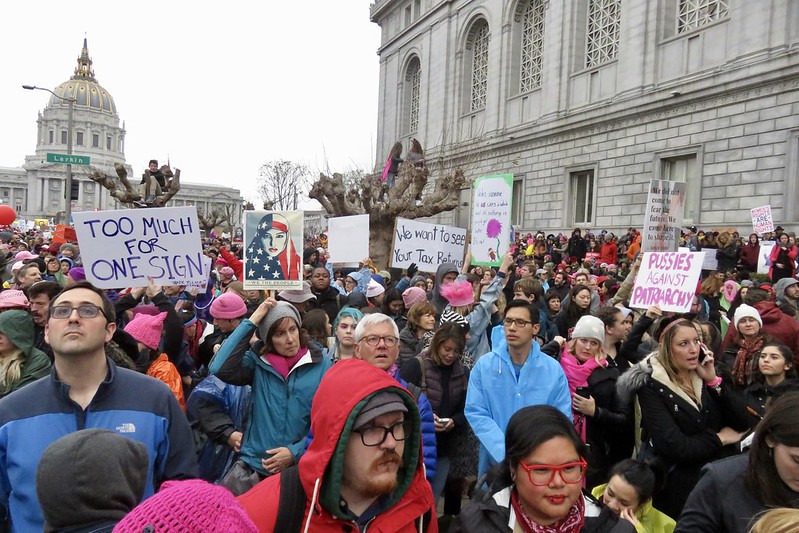
Women's March 2017 City Hall
Saturday will play host to the fourth annual Women's March from City Hall to the Embarcadero. Photo: Fabrice Florin/Flickr

Women's March 2019

Saturday, 11:30 a.m. to 4 p.m.
Civic Center

This Saturday, Women's March San Francisco will return for its fourth annual event to reaffirm its commitment to supporting human rights, civil liberties, and social justice for all. The rally will be held in concert with similar rallies all across the country in the spirit of solidarity. The march will begin at the Civic Center and travel down Market Street to the Embarcadero. 


How to Get There on Muni: Riders may take any Muni Metro line to Civic Center station, the F Market and Wharves Line, as well as the 5 Fulton, 6 Haight/Parnassus, 7 Haight/Noriega, 9 San Bruno, 14 Mission, 14R Mission Rapid, 19 Polk, 21 Hayes, 31 Balboa, 47 Van Ness or the 49 Van Ness/Mission routes to near the Civic Center. 

Muni Service Notes: The F, 2 Clement, 5, 6, 7, 8 Bayshore, 9, 10 Townsend, 12 Folsom/Pacific, 14, 14R, 19, 21, 27 Bryant, 30 Stockton, 31, 38 Geary, 38R Geary Rapid, and 45 Union/Stockton routes will have reroutes during this event. Routes to and from the event may also experience minor delays and overcrowding due to increased ridership.

Dr. Martin Luther King, Jr. March and Parade

Monday, 9:30 a.m. to 12 p.m.
SoMa (CalTrain to Yerba Buena Gardens)

Celebrate the legacy of Dr. Martin Luther King Jr. by joining in honoring the 1965 Selma to Montgomery, Alabama marches at the MLK2020 Commemorative March/Parade from San Francisco’s CalTrain Station at Fourth and King streets to Yerba Buena Gardens in the South of Market neighborhood. Upon reaching Yerba Buena Gardens an interfaith commemoration will commemorate Dr. King.

How to Get There on Muni: Riders may take the E Embarcadero Line, the K Ingleside/T Third Street or N Judah Muni Metro lines, as well as the 8 Bayshore, 10 Townsend, 12 Folsom/Pacific, 30 Stockton, 45 Union/Stockton or the 47 Van Ness routes to near the start of the event. 

Muni Service Notes: There are no planned service changes for this event, however, routes in the area of the event may experience increased ridership or minor delays.

Remember that you can take Muni for the entire day for a single $5 fare. The new $5 Day Pass, available on MuniMobile®, is part of Muni’s recent fare changes. The pass is intended to encourage a safe, convenient way to pay your fare and quickly board Muni vehicles, which reduces overall travel time for everyone. The $5 Day Pass is Muni bus, rail and historic streetcars only.

“On Tap” gives you a heads up about the big events in town and what Muni routes and lines will get you to the party. Look for this feature to be posted usually on Thursdays for a look ahead to the weekend. Check out our Weekend Traffic & Transit Advisory for more details.


Published January 15, 2020 at 12:24PM
https://ift.tt/3adNYfJ