Monday, 4 October 2021

Warriors Ticket Holders Ride for Free

Warriors Ticket Holders Ride for Free
By Stephen Chun

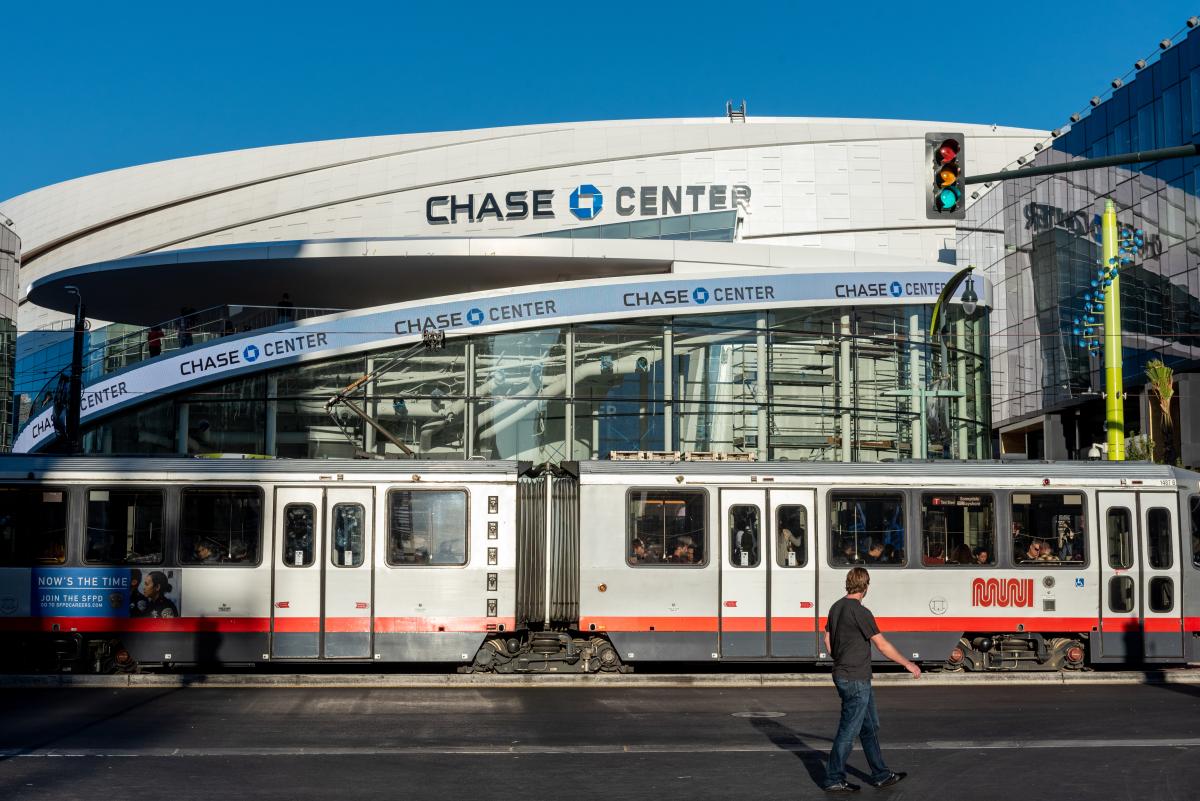
Photo of T Third in front of Chase CenterCalling all Warriors fans and Muni riders! As you know, an exciting preseason is underway, with the anticipated season opener scheduled to tip off in just a few weeks. As the Warriors look to a promising year with a committed staff and tenacious roster, it’s going to be an electrifying season for the six--time NBA Champs.

To catch these blue and (golden) yellow must-see games at 1 Warriors Way, consider taking Muni for free! Your game ticket (electronic or physical) is your all-day Muni ticket. The ticket provides quick and free Muni for bus and light rail lines (but not cable cars), up until the end of the service day at 2 a.m. after the event. Just show your ticket to the Station Agent or board through any door on our coaches. Muni uses all-door boarding across our system, so fans can board through any door and arrive quickly to the game! For the Muni Metro stations, if the booth is not occupied, proceed through the gate nearest the Station Agent window; the gate will open automatically. Here are additional guidelines for your fast, reliable and frequent trips.

This transit accommodation which aims to boost (affordable) ridership to Chase Center, is provided by the Transit Bundling Program. Sponsored by Mayor London Breed and the Golden State Warriors, Warriors ticket holders receive free service on Muni all-day on game day. But wait! There’s more!  Any ticket to a Chase Center event can also ride Muni all-day for free. It’s the same procedure and paid for by the Warriors. Thanks, Dub Nation!

The Warriors chose Mission Bay as the site for the new arena back in 2019 largely because of its transit-rich location with easy access to Muni and regional connections such as BART, Caltrain and Ferry services. Walking, biking or scooting are also additional modes of transportation.

As a reminder and to help stop the spread of COVID-19, federal law requires wearing a mask in Muni stations and while riding transit. Additionally, some Muni routes have been modified as a result of COVID-19 pandemic restrictions, the city’s emergency order and ongoing resource constraints. For details on Muni’s current routes and service, visit individual route webpages or the Muni Core Service Plan.   We’ll see you at Chase Center. Go Warriors! Go Muni!

Muni Service to Chase Center:

KT: K Ingleside-T Third Street - service to / from downtown San Francisco and Embarcadero BART Station. The stop is located on 3rd Street.

78X 16th Street Arena Express – service to / from 16th St Mission BART to Chase Center before and after the event. This shuttle stop is located on 3rd St near Illinois

22 Fillmore - serves as a connection to 16th St Mission BART. Exit 3rd St & Warriors Way. This stop is located on 3rd and Gene Friend Way.

15 Bayview Hunters Point Express - serves as a connection to Montgomery St BART. Exit 3rd St & Warriors Way.


Published October 04, 2021 at 09:04AM
https://ift.tt/3a7uiLD

J Church Pilot Eases Subway Congestion for Muni Metro

J Church Pilot Eases Subway Congestion for Muni Metro
By Jonathan Streeter

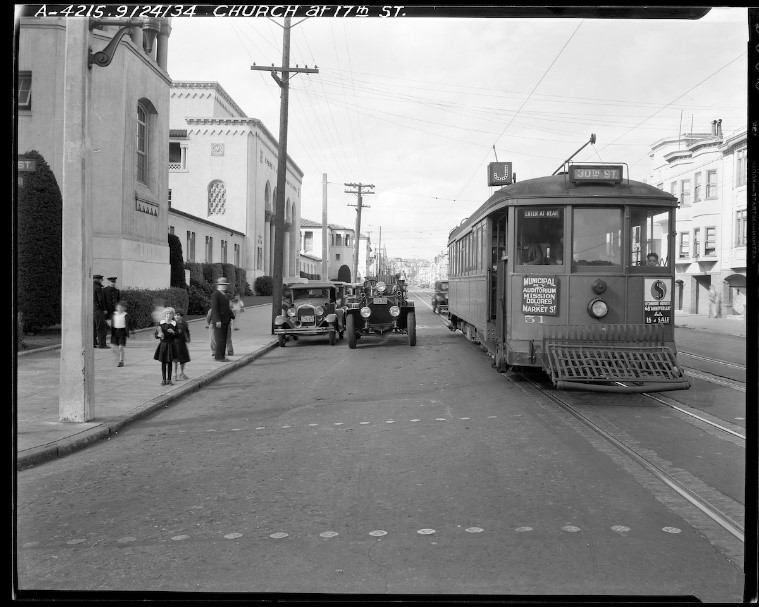
In December 2020, the J Church returned as a surface-only route, much like its earliest predecessor, which opened in 1917.  Although the J Church travelled as far as the Embarcadero for more than 100 years, establishing Duboce Avenue as the terminal for this route as a test case was the result of careful analysis undertaken to improve the line’s poor reliability. This routing also allows us to address crowding and delays in the Muni Metro subway that plagued the system for decades.

photo of the J Church near Dolores in 1926

The J Church in 1926

Surface Route

The J Church has historically had the lowest ridership of any Muni Metro line. Keeping it as a surface-only route should improve the J Church’s reliability and frequency, increase Muni Metro subway performance and reduce crowding. In addition, to enable the pilot we provided temporary accessibility and pedestrian safety upgrades at an intersection that is on the city’s High-Injury Network -- those San Francisco streets that have the highest severe and fatal collisions.

In addition to delays, there are other drawbacks to having the J Church Line in the subway. Once in the subway, the J’s lower-capacity one-car trains are unable to ease crowding at peak hours.  The shorter trains are necessary due to the limited length of platforms along portions of the surface route.  When the J line did go in the subway, those trains used the Embarcadero switch back to turn around, which limited its availability for other trains. Additionally, J Church (and N Judah) trains heading into the tunnel at Duboce Avenue must cross the path of all outbound subway traffic, which can cause system-wide delays.

Performance

When we surveyed J Church customers in 2019, 63% said the wait for a train was too long. Nearly four out of five people (78%) said they would walk farther to a stop for more reliable service or a shorter trip overall, including 52% of people with disabilities and 58% of seniors.  

Prior to the COVID-19 pandemic, poor reliability on the J Church meant that only about three out of four trains were showing up within five minutes of the expected time. Now, reliability has improved so that nearly nine out of 10 trains arrive without delay. Travel time on the J Church line’s surface route is less variable than the subway and didn’t change much during the pandemic. Avoiding subway congestion has eliminated the main source of unpredictable delays.

When transferring to the subway, customers at Church Station are seeing a high frequency of trains, minimizing the wait time for downtown destinations. At present the average wait time for an inbound train is two to three minutes. By comparison, the J Church frequently takes that amount of time simply to clear the Market Street intersection when heading northbound towards Duboce Avenue, and often took several minutes to enter the tunnel at Duboce.

Transfer Experience Improvements

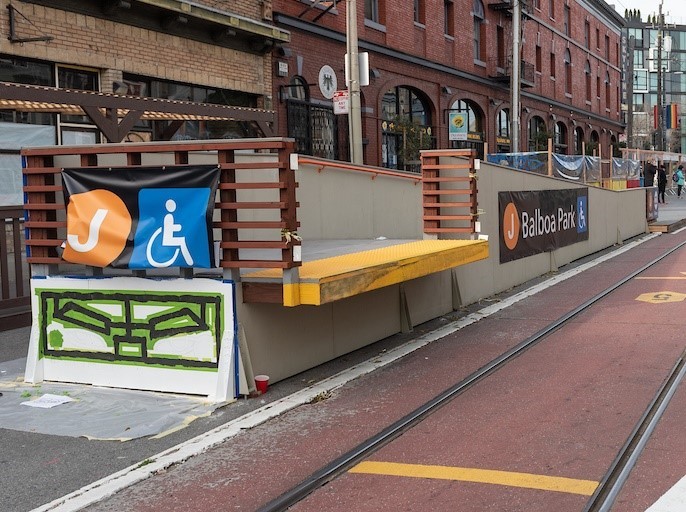
To support the shortened route, we installed temporary ramps in August 2020 that enable J Church customers with mobility limitations to access the Church Street Station elevator at Market Street or the N Judah accessible ramps at Duboce Avenue. We also installed a new temporary transit stop just south of Market Street to create a more seamless transfer to the subway. Learn more about these transfer improvements and proposals for additional upgrades at the J Church Transfer Improvements webpage.

Temporary accessible ramp on the 200 block of Church Street

Temporary accessible ramp on Church Street south of Market Street

Next Steps

This pilot project, fully operational since December 2020, will be reviewed by the SFMTA Board of Directors in December 2021 as a part of our overall 2022 Muni Service Network plan. If approved, the J Church shortened route would remain in place in 2022, but the line could still be returned to the subway in the future as our service plan continues to evolve.

To sign up for updates and provide feedback visit our J Church Surface Route webpage.


Published October 04, 2021 at 09:11AM
https://ift.tt/3oxIO84

Friday, 1 October 2021

Essential Trip Card Program Provides Crucial Accommodations

Essential Trip Card Program Provides Crucial Accommodations
By Stephen Chun

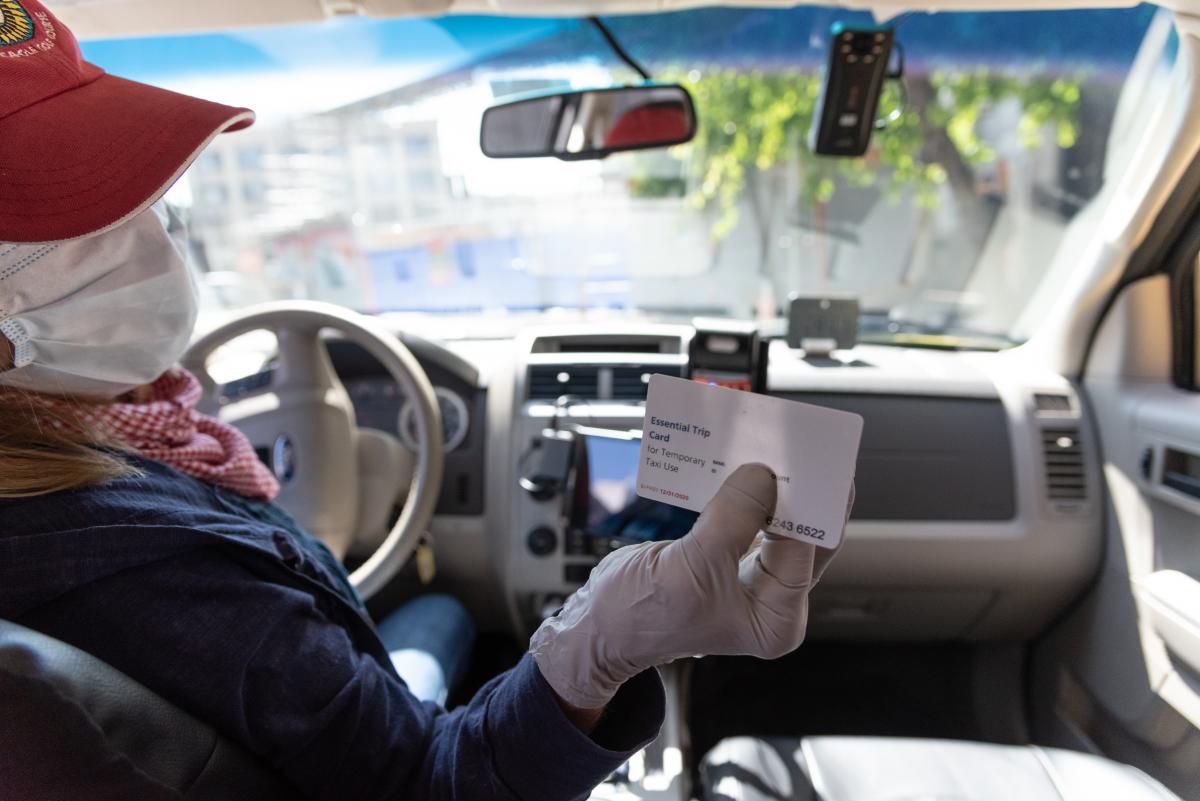
Photo of taxi driver holding essential trip card voucherDuring a time of unprecedented uncertainty, we reflect on a very successful 18 months since the launch of our Essential Trip Card (ETC) program.  The ETC is administered through the SFMTA’s Paratransit program (SF Paratransit) which has provided door to door van and taxi (paratransit) services for more than 40 years to people who are unable to independently use Muni, for some, all the time, because of a disability or disabling health condition.  
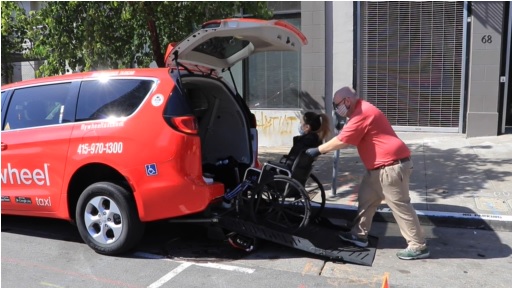
In response to the Muni service reductions in April 2020, the ETC program was launched to provide seniors and persons with disabilities with safe and door-to-door taxi service to essential services during the pandemic as a supplement to the existing Muni service. Such essential trips include grocery shopping, pharmacy visits, medical treatments, and later, vaccination appointments.

Once enrolled, ETC participants receive a monthly taxi subsidy of $60 (for a $12 cost) to pay for taxi rides, similar to a regular card payment for a taxi. This allows participants to take approximately four to five one-way trips each month via taxi while receiving an 80% discount.

In an effort to continue providing discounted taxi services and prioritizing access to vaccinations for its participants, the SFMTA issued a one-time allotment increase of $60 (for an additional $12 cost) in February 2021, when vaccines started becoming widely available. This provision avoided participants dipping into their existing monthly trip budget while being able to use a taxi services to get to and from their vaccination appointments. And while an ETC participant is limited to a $60 monthly subsidy, those with extenuating circumstances who may have greater transportation needs can request a permanent increase of their monthly taxi allotment to $120, or rather another $60 allotment increase (for a $12 cost).

The ETC has been a critical and previously mentioned, a successful program for those seniors and riders with disabilities. Even as SFMTA provides additional service to ensure that 98% of residents live or work within two blocks of a Muni stop, the ETC program remains a lifeline for important trips that are difficult for seniors and persons with disabilities to make on Muni.  Furthermore, as trip numbers were higher after the vaccination availability than from before, this program has instilled greater self confidence for seniors and persons with disabilities to make essential trips as such and provides a safety net for greater mobility and engagement as they resume their normal activities.

Since its inception, approximately 4,400 seniors and persons with disabilities have enrolled in the program and over 86,000 trips have been performed.  A strong partnership between SFMTA, SF Paratransit and the taxi industry, executing successful community-based outreach and incorporating public feedback, including those from the Paratransit Coordinating Council, were all key components in implementing the program so quickly and with such success!

SF Paratransit and ETC intends to roll the program into FY21-22 and is committed to continuing to provide safe, reliable and discounted taxi service trips for seniors and people with disabilities. For eligibility, registration and FAQ’s, please visit the Essential Trip Card webpage.

As an added note, SF Paratransit for those with disabilities who are eligible under the Americans with Disabilities Act (ADA) is provided throughout San Francisco, including Treasure Island, to the northernmost part of Daly City in San Mateo County and to the Marin Headlands on weekends. Also, once ADA-certified to use paratransit, a participant may also be eligible to receive ADA paratransit services in other cities and states. Please visit our SF Paratransit Eligibility and Registration page for more information.

Photo of taxi driver assisting wheelchair user enter into the vehicle


Published October 01, 2021 at 09:41AM
https://ift.tt/3uxd43L

Thursday, 30 September 2021

Late Night Metro and More J Church Service Starts October 2, 2021

Late Night Metro and More J Church Service Starts October 2, 2021
By Mariana Maguire

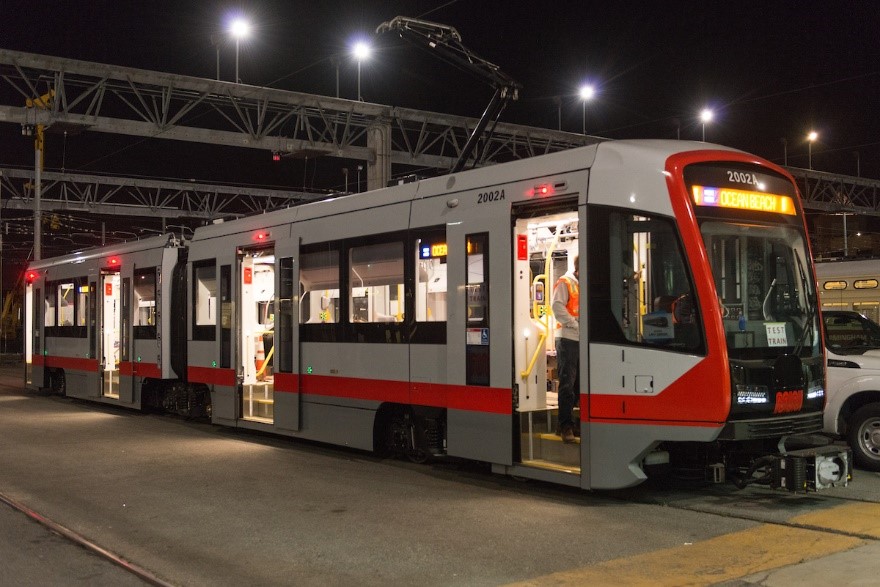
photo of train at night

Muni Metro train running a nightly route.

On Saturday October 2, Muni Metro service will be extended to run until midnight on weekdays and Saturdays due to an increase in evening demand, and to better align with BART late night service. Muni Metro will continue to operate until 10 p.m. on Sundays. The new Muni Metro hours will be:

  • Weekdays: 6 a.m. – 12 a.m.
  • Saturdays: 8 a.m. – 12 a.m.
  • Sundays: 8 a.m. – 10 p.m.

Last Metro trips on the KT Ingleside-Third, M Oceanview and N Judah will depart from their various neighborhood stops between approximately 11:30 p.m. and 11:50 p.m. in order to service the subway by midnight.

J Church Muni Metro service operating between San Jose and Geneva avenues and Church and Duboce streets will also be extended until midnight.

Please check schedules for last trip times for your Muni Metro line.

Frequency Improvements on J Church

In addition, the J Church will have frequency improvements to match the other metro routes frequencies as follow:

  • Weekday frequency improves from every 12 minutes to every 10 minutes
  • Weekend frequency improves from every 15 minutes to every12 minutes

Muni Metro Bus and Owl Service

Late night Muni Metro buses on the KT Ingleside-Third, M Oceanview and N Judah lines will continue to operate, in addition to train service, from 9 p.m. to 12 a.m. until further notice. Owl service on these routes will continue to run from midnight to 5 a.m.


Published September 30, 2021 at 01:26PM
https://ift.tt/3AXR1px

Wednesday, 29 September 2021

Last Chance - 2022 Muni Service Network Survey Closes October 1, 2021

Last Chance - 2022 Muni Service Network Survey Closes October 1, 2021
By Mariana Maguire

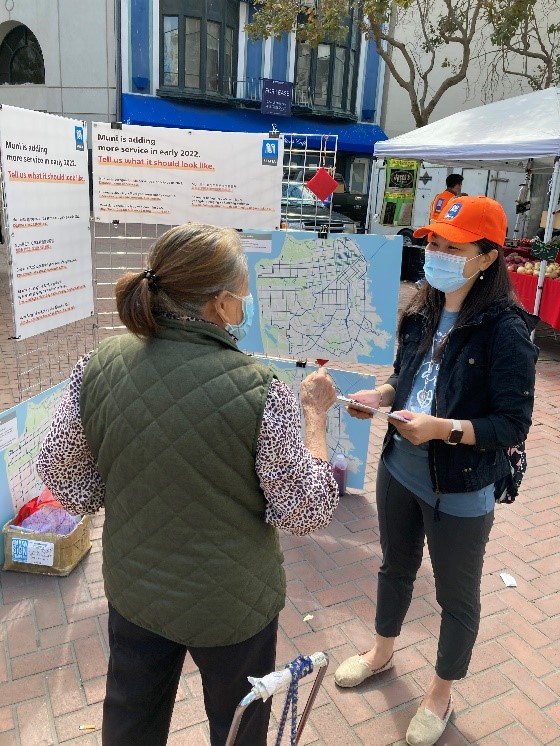
Photo of an SFMTA staffer talking to a customer

SFMTA staff talks with customer about 2022 Muni service options at farmer’s market pop-up event.

The SFMTA recently introduced three options for increasing Muni service in early 2022. We launched efforts to get community input on them, including a brief survey that closes Friday, October 1. If you haven’t taken the survey yet, there are still a few days left! You can find the survey link at SFMTA.com/2022Network.

We’ve received more than 4,000 survey responses so far and a few hundred calls to our hotline and feedback to our TellMuni@SFMTA.com email. You can also provide feedback on the shortened J Church route and changes to the 23 Monterey, 57 Parkmerced, 35 Eureka and 48 Quintara/24th Street by contacting TellMuni@SFMTA.com or 415.646.2005.

All three alternatives to increase Muni bus service in early 2022 have the same amount of total bus service – they’re just arranged differently. The “Familiar” alternative uses available resources to bring back the seven all-day Muni bus lines that have yet to restored since the pandemic began. The “Frequent” alternative instead uses the available resources to reduce wait times and crowding on Muni’s highest ridership lines (and does not restore those seven all-day bus lines). The “Hybrid” alternative aims to balance more routes and more frequency.

We’ve talked with over 30 stakeholder groups, a couple hundred attendees at our virtual meetings and several hundred more community members at tabling events and pop-ups in neighborhoods throughout the city.

Once our survey closes this Friday, our transit planners will use the input, paired with data that shows which lines are being used most and where ridership is highest, to develop a single proposal for increasing Muni service in early 2022. The proposal is expected to be ready in mid-October. We will also share details about how the survey results and other public feedback influenced the proposal.

After we release our proposal for early 2022 Muni service additions and changes, we will seek public feedback and refine the proposal in October and November. You will also have a chance to give input at upcoming open houses and office hours, by contacting TellMuni@SFMTA.com or 415.646.2005 and by taking our proposal survey in October.

The proposal for Muni service in early 2022 will be brought to the SFMTA Board for its consideration in December.


Published September 29, 2021 at 04:16PM
https://ift.tt/3uoUbzT

Friday, 24 September 2021

Residents Overwhelmingly Support Slow Streets

Residents Overwhelmingly Support Slow Streets
By Eillie Anzilotti

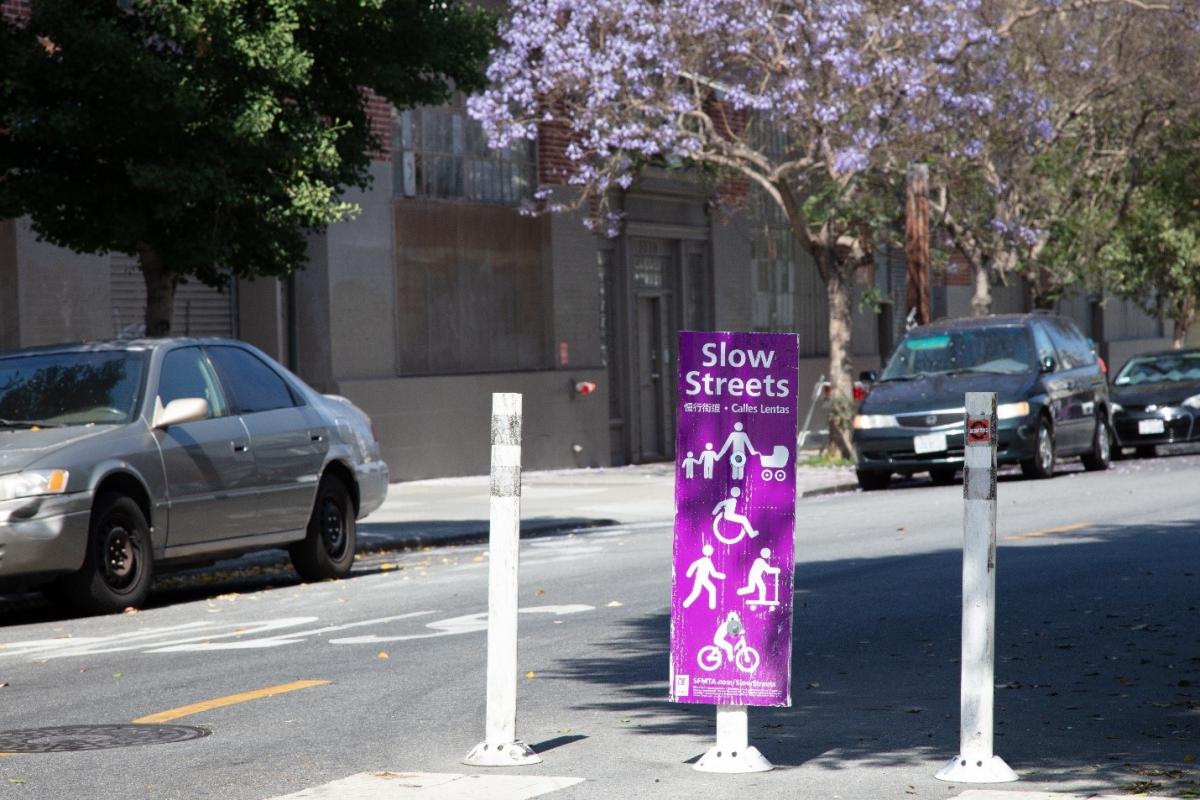
Photo of sign that indicates a slow street is in effect

After over a year of Slow Streets providing safe, low-volume corridors for people to walk, bike, play and travel during the pandemic, we’re excited to share our first comprehensive evaluation of the program. The key takeaway? San Franciscans are overwhelmingly in support of Slow Streets.

Slow Streets are designed to limit through traffic on certain residential streets and allow them to be used as a shared roadway for people traveling by foot and by bicycle. Since introducing Slow Streets in April 2020 in response to the Mayor’s Emergency Health Order, SFMTA has designated around 30 corridors covering 47 miles of roadway as Slow Streets. The program has evolved from a critical component of San Francisco’s pandemic response and recovery to a potential new avenue to further the city and SFMTA’s goals around climate action and sustainable transportation.

As the Slow Streets program has grown, we wanted to make sure we were understanding its impact on residents and city streets. Over the course of the program, we sent out a mail survey to anyone living within 0.25 mile of a Slow Street. We received over 15,000 responses on overall opinions of the program, how frequently residents use the streets, their experience when doing so and if they’d like to see the program continue. In tandem, we analyzed data on traffic volumes, vehicle speeds, collisions, bicycling and pedestrian volumes and spillover traffic impacts on adjacent streets to understand how the Slow Streets designation is changing conditions along the corridors.Through this initial evaluation, we were able to answer some of the main questions about Slow Streets that have come up over the past year and a half:

How do people feel about Slow Streets?

Residents who responded to the survey overwhelmingly supported the program. And, they noticed improvements in safety across the board: 71% agree that a street designated as a Slow Street became safer after the change.

Do Slow Streets impact traffic conditions on surrounding streets?

Our analysis of traffic data on adjacent streets shows that overall, Slow Streets do not cause an increase in traffic. We recognize, though, that COVID impacted traffic volumes throughout the city and we will continue to monitor for impacts as traffic conditions evolve.

Does a Slow Street designation make the road safer?

Of the Slow Streets in the network, 100% met the baseline conditions for a low-stress facility—fewer than 3,000 average daily vehicles and typical vehicle speeds of less than 25 mph. After a street is designated as a Slow Street, it sees, on average, a 35% decrease in daily traffic and a 14% decrease in vehicle speeds—along with a 36% decrease, on average, in collisions across the network.

Do Slow Streets encourage more people to walk or bike? In evaluating the Slow Streets program, we saw a virtuous cycle unfold: The less traffic on the street, the more likely people are to use it for biking and walking—and the more people use the street for safe and sustainable transport and play, the more likely others are to join in. Seeing young people learning to ride bikes on a number of Slow Streets was a sign that the roads were safe enough for all users. 

This Evaluation Summary shows data spanning from June 2020 through July 2021 for each of the corridors in the program, with a handful of exceptions that are outlined in the report. 

Next Steps

As San Francisco continues to move through the COVID-19 crisis, we are beginning the process of transitioning Slow Streets to from an emergency response measure to an ongoing program. We were able to use the data shown in this report to determine the first four corridors to remain in place after the pandemic: Sanchez Street, Shotwell Street, Golden Gate Avenue, and Lake Street. More information about the plans for these streets is available at Post-Pandemic Slow Streets.

We will continue to evaluate all existing Slow Streets to determine their post-pandemic future. To learn more about the overall program, visit Slow Streets.


Published September 24, 2021 at 02:44PM
https://ift.tt/3CHm8Gc

Thursday, 23 September 2021

Muni’s R-Howard 80 Years On

Muni’s R-Howard 80 Years On
By Jeremy Menzies

Eighty years ago on September 7, 1941, the San Francisco Municipal Railway launched its first all-electric bus route, the R Howard. Today the route no longer survives in its original form but the legacy of the R lives on in our electric trolley bus fleet and bus routes that serve the same area.

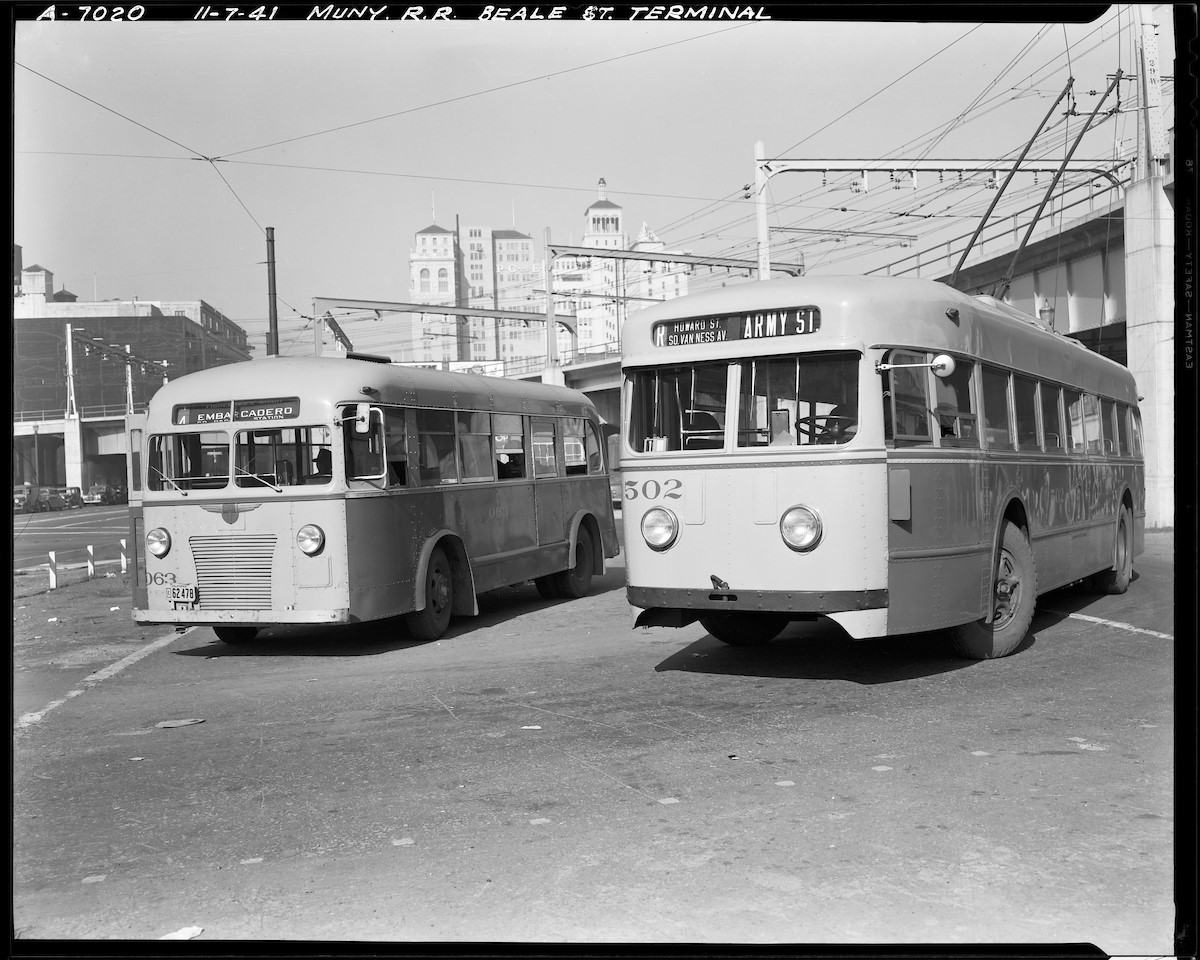
Two Muni buses lay over at the “Bridge Terminal” at Beale and Howard Streets in this November 1941 photograph. At left is the 4 Embarcadero, which ran along the waterfront and the recently established R Howard trolley bus at right.Two Muni buses lay over at the “Bridge Terminal” at Beale and Howard Streets in this November 1941 photograph. At left is the 4 Embarcadero, which ran along the waterfront and the recently established R Howard trolley bus at right.

The R traces its lineage back to the 35 Howard streetcar line, operated by the Market Street Railway Company. This line ran from the Ferry Building to 24th and Rhode Island Streets on Howard and South Van Ness. In 1939, when the company’s agreement to run the 35 expired, the city decided to establish the R Howard in its place. Electric trolley buses were chosen for the new service for their low cost of operation and to test the viability of these uncommon vehicles.

While the privately-operated  33 Ashbury/18th was the very first trolley bus route in the city, the launch of Muni’s R line marked the beginning of a new era for electric buses in San Francisco. Just a few years after starting the R, Muni decided to build on its positive experience with the route by converting many streetcar lines to trolley bus operation. Electric trolley buses were a natural choice for San Francisco because they could handle the hills without problems and utilize (with modification) the existing overhead electrical system that powered the streetcars they replaced. Add to that a lower cost of operation and these buses became the highest earning mode in the Muni system during the early 1950s.

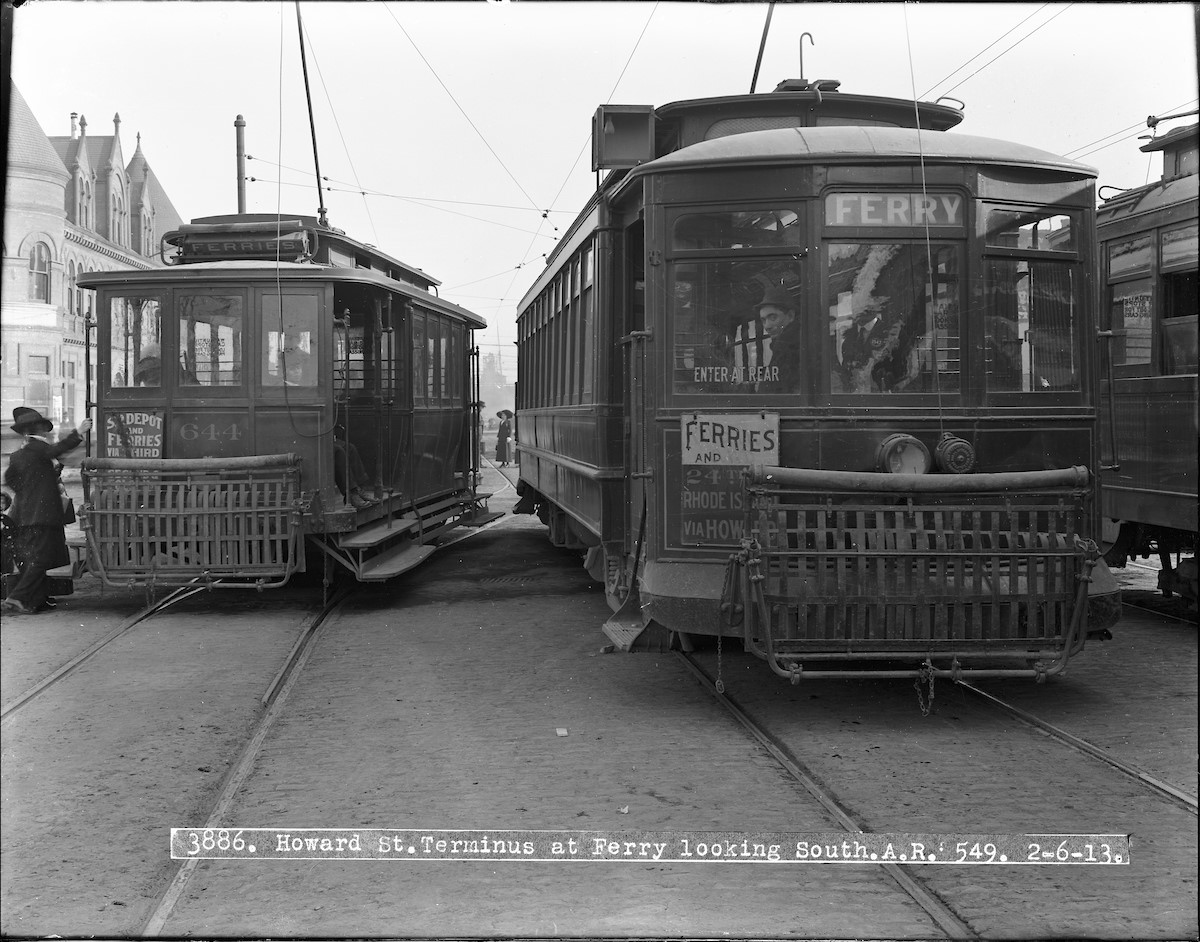
In this 1913 photo, streetcars await passengers at the terminal of the Howard Street Line just south of the Ferry Building.In this 1913 photo, streetcars await passengers at the terminal of the Howard Street Line just south of the Ferry Building.

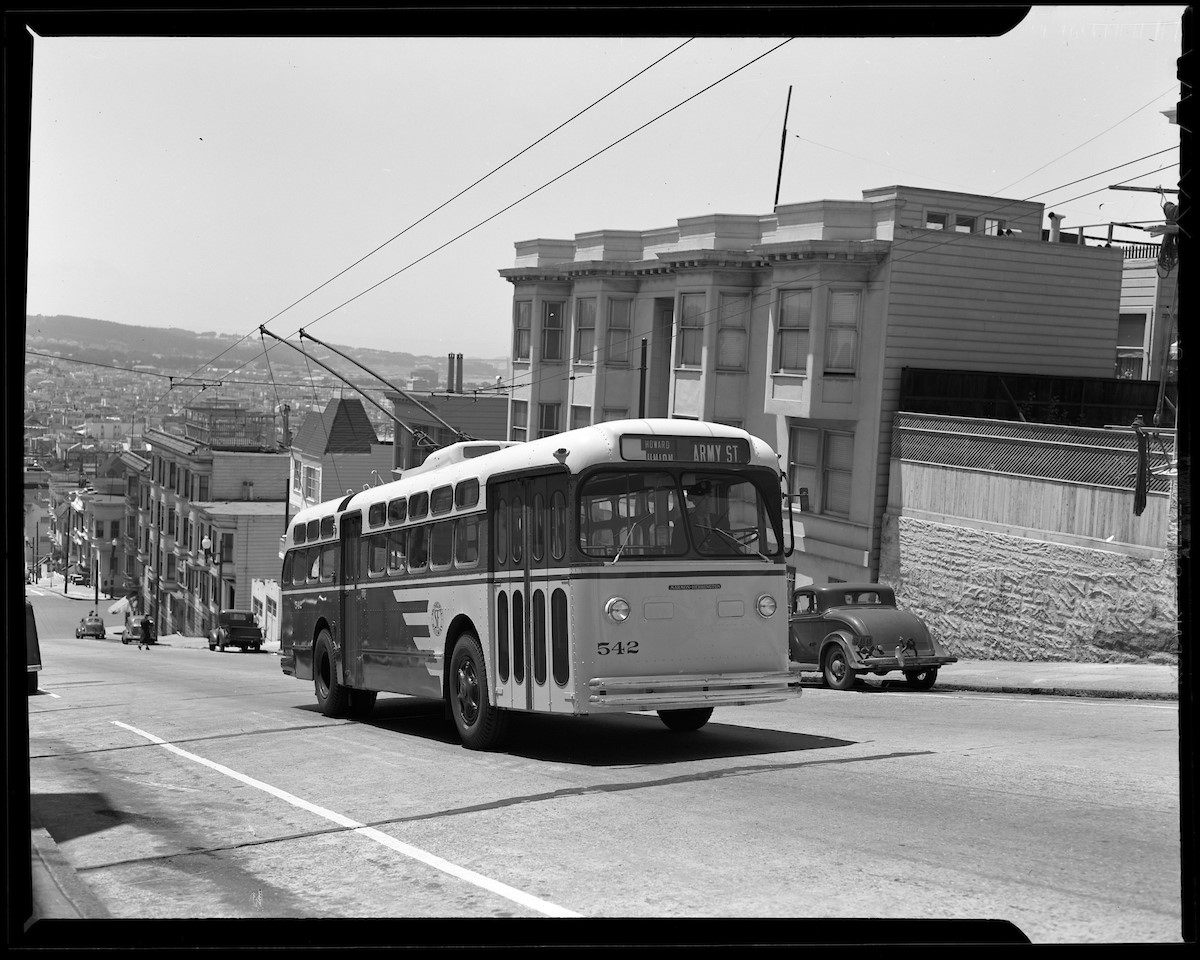
In 1947, the R was combined with the E Union streetcar line to form the 41 Union-Howard route. Connecting the Presidio to the Mission via Russian Hill and Downtown, the 41 covered nearly 7 miles one-way. Over 20 years later in 1970, the route was modified again when Howard Street was converted into a one-way street. The 41 was split in two with the portion north of Howard remaining the 41 and the southern portion becoming the 12.

The 41 Union-Howard climbs Russian Hill heading for its terminal in the Mission in this 1948 photo taken on Union Street.The 41 Union-Howard climbs Russian Hill heading for its terminal in the Mission in this 1948 photo taken on Union Street.

Today, the legacy of the R continues in the 12 Folsom-Pacific, which serves the original area of the R Howard, and in the numerous trolley buses that tirelessly climb hill after hill.


Published September 23, 2021 at 02:59PM
https://ift.tt/3u8p0J3