Monday, 7 November 2022

Five Years of Data Show: Our Street Safety Projects are Making a Difference

Five Years of Data Show: Our Street Safety Projects are Making a Difference
By Julia Malmo

Ever wonder about the effectiveness of projects after they go into the ground? Us, too!  

That’s why, in 2017, we launched the Safe Streets Evaluation Program to help project teams understand whether a transportation safety project’s design is effective, and where there might be opportunities to adjust the design if not. Project evaluation data can also be combined across projects to help the SFMTA track the effectiveness of a certain type of safety improvement, which can in turn streamline the design of future projects. The Safe Streets Evaluation Program helps us work towards achieving Vision Zero, an initiative to prioritize street safety and eliminate traffic deaths in San Francisco.  

This week, we’re looking back on five years of data gathered through our Safe Streets Evaluation Program with the “2022 Safe Streets Evaluation Summary,” an interactive website summarizing the results of 18 bicycle, pedestrian and traffic safety projects implemented since 2017. 

Each of the 18 projects evaluated in the summary report added significant safety upgrades to the streets. Some introduced vehicle travel lane removals (road diets), separated bikeways, separated bike signals, or left-turn traffic calming devices. Others brought general improvements for pedestrians at intersections including pedestrian signal improvements, daylighting (red zones at intersections) and upgraded crosswalks. For every project, the SFMTA drew on a wide range of data—from project-specific observations, to police reports, to speed data—to create a comprehensive view into its’ effectiveness. 
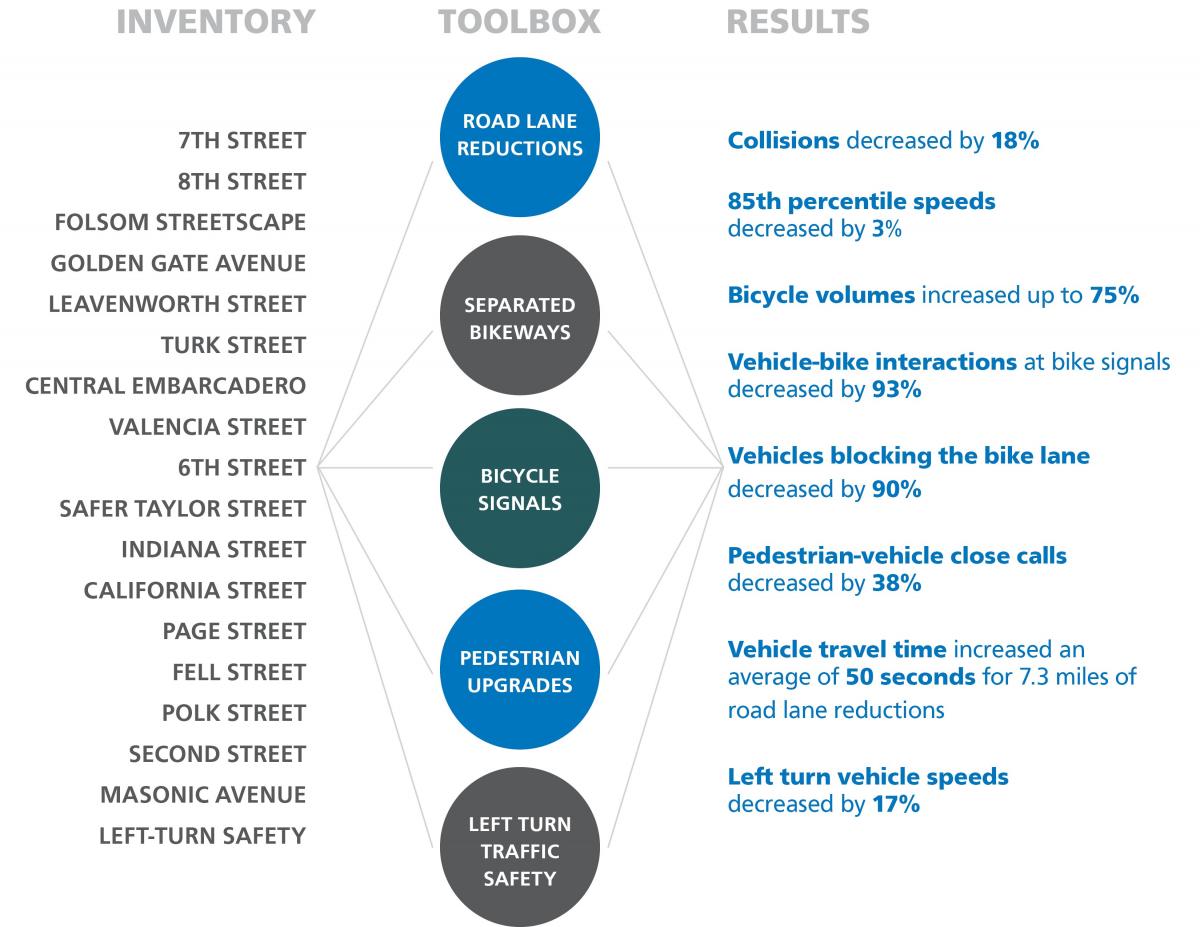
An infographic displaying the project names, key design element, and results. In the lefthand column, under “Inventory” the following projects are listed: 7th Street, 8th Street, Folsom Streetscape, Golden Gate Avenue, Leavenworth Street, Turk Street, Central Embarcadero, Valencia Street, 6th Street, Safer Taylor Street, Indiana Street, California Street, Page Street, Fell Street, Polk Street, Second Street, Masonic Avenue, Left-Turn Safety. In the center column, under “toolbox,” the following elements are listed: Road lane reductions, separated bikeways, bike signals, pedestrian upgrades, left-turn traffic safety. In the righthand column, under “results”, the following findings are listed: Collisions decreased by 18%; 85th percentile speeds decreased by 3%; bicycle volumes increased up to 75%; vehicle-bike interactions at signals decreased by 93%; vehicles blocking the bike lane decreased by 90%; pedestrian-vehicle close calls decreased by 38%; vehicle travel time increased an average of 50 seconds for 7.3 miles of road lane reductions; left turn vehicle speeds decreased by 17%

The evaluation report indicates that the SFMTA’s safety tools are working together to create safer environments for all modes of transportation on city streets. 

You can dig into the whole set of outcomes on the website, but here are some highlights:  

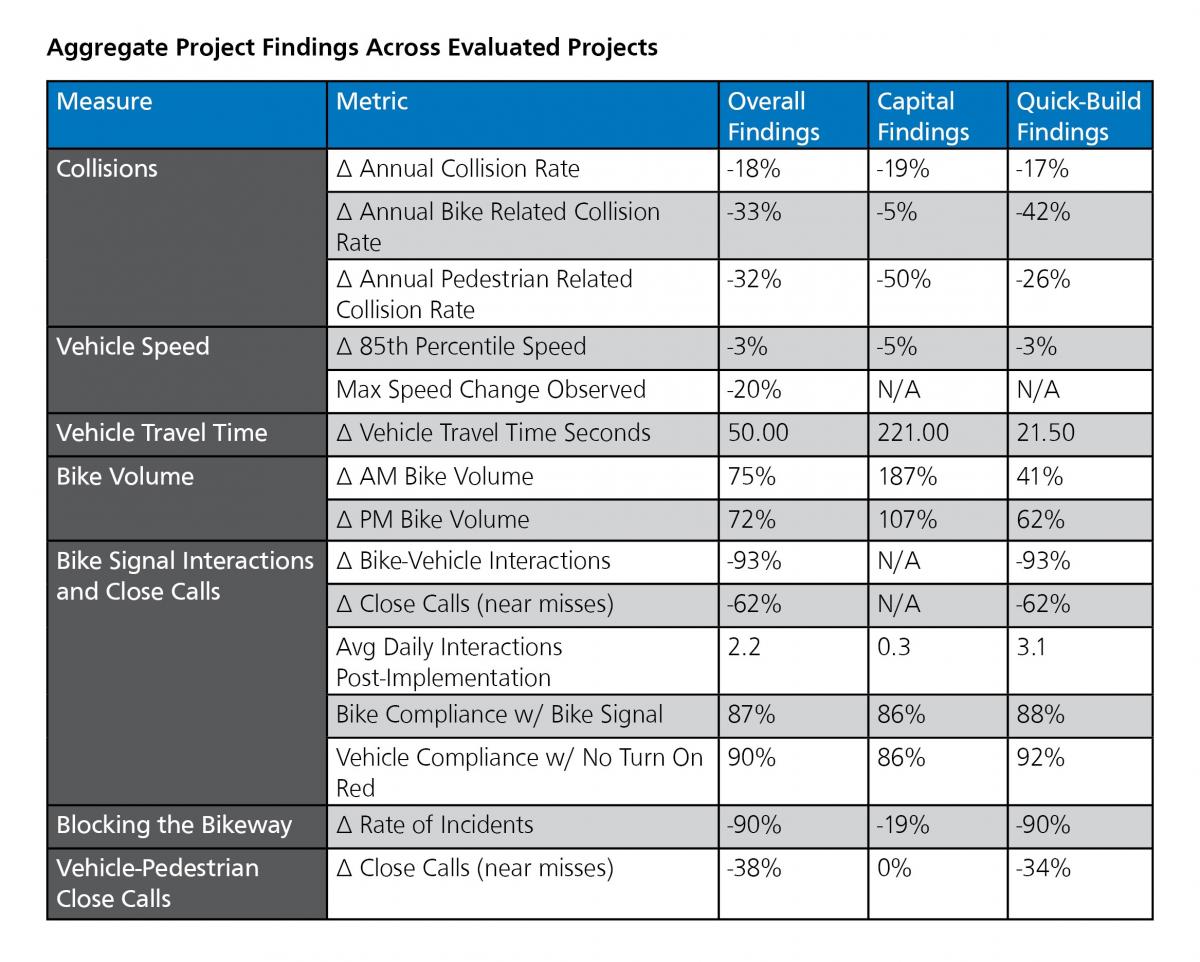
  • Within the projects evaluated, annual collision rates decreased by 18%  

  • Bicycle-related collision rates decreased by 33% and pedestrian-related collision rates decreased by 32%   

  • Bicycle volumes on streets that received bicycle improvements increased up to 75% in the morning peak (8 AM to 10 AM) commute times, with similar growth in the afternoon/evening peak (4 PM to 6 PM) commute times.   

  • Thanks to protected bikeways, the rate of incidents of vehicles blocking the bike lane decreased by 90%.   

  • Close calls or near misses between pedestrians and drivers decreased across evaluated projects by 38%.  

  • Several projects in under-served communities such as the Bayview and Tenderloin are helping to address historic inequities and under-investment in these neighborhoods.   A table titled “Aggregate Project Findings Across Evaluated Projects”. At the top of the table, a blue bar lists out the column titles: Measure; Metric; Overall Findings; Capital Findings; Quick-Build Findings. In the Collisions section, the following sub-categories are evaluated. For Annual Collision Rate: Overall findings show an 18% reduction; Capital Findings show a 19% reduction; Quick-Build Findings show a 17% reduction. For Annual Bike-related collision rate: Overall findings show a 33% reduction; Capital findings show a 5% reduction; Quick-Build findings show a 42% reduction. For Annual Pedestrian Related Collision Rates: Overall findings show a 32% reduction; Capital findings show a 50% reduction; Quick-Build findings show a 26% reduction. In the Vehicle Speed section, the following sub-categories are evaluated. For 85th Percentile Speed: Overall findings show a 3% reduction; Capital findings show a 5% reduction, and Quick-Build Findings show a 3% reduction. For Max Speed Change Observed: Overall findings show a 20% reduction, and no data is present for either Capital Findings or Quick-Build Findings. For Vehicle Travel Time/Vehicle Travel Time in Seconds: Overall findings show 50.00; Capital Findings show 221.00; Quick-Build Findings show 21.50. For the Bike Volume section, the following sub-categories are evaluated. For AM Bike Volumes: Overall Findings show a 75% increase; Capital Findings show a 187% increase; Quick-Build findings show a 41% increase. For PM Bike Volumes: Overall Findings show a 72% increase; Capital Findings show a 107% increase; Quick-Build Findings show a 62% increase. In the Bike Signal Interactions and Close Calls section, the following sub-categories are evaluated. For Bike-Vehicle interactions: Overall findings show a 93% reduction; Capital findings show no data; Quick-Build findings show a 93% reduction. For Close Calls (near misses): Overall findings show a 62% reduction; Capital findings show no data; Quick-Build findings show a 62% reduction. For Average Daily Interactions Post-Implementation: Overall Findings show 2.2; Capital Findings show 0.3; Quick-Build Findings show 3.1. For Bike Compliance w/ Bike Signal: Overall findings show 87% compliance; Capital Findings show 86%; Quick-Build Findings show 88% compliance. For Vehicle Compliance w/ No Turn On Red: Overall findings show 90% compliance; Capital Findings show 86% compliance; Quick-Build findings show 92% compliance. In the Blocking the Bikeway section, Rates of Incidents was evaluated. Overall Findings show a 90% reduction; Capital Findings show a 19% reduction; Quick-Build Findings show a 90% reduction. In the Vehicle-Pedestrian Close Calls Section, Close Calls (near misses) were evaluatd. Overall Findings show a 38% reduction; capital findings show a 0% reduction; quick-build findings show a 34% reduction
The Safe Streets Evaluation team will continue to think creatively about how to build on the evaluation work and use it to inform our current and future projects, programs, and practices through developing a publicly accessible database of all Safe Streets Evaluation data and finding better ways to evaluate project outreach efforts. 

View the 2022 Safe Streets Evaluation Summary 

Learn more about the SFMTA Safe Streets Evaluation Program: SFMTA.com\safestreetsevaluation 


Published November 07, 2022 at 02:56PM
https://ift.tt/4RMtXzh

Friday, 4 November 2022

The Good Times are Rolling on the Embarcadero Bikeway!

The Good Times are Rolling on the Embarcadero Bikeway!
By Eillie Anzilotti

If you build it, they will ride. 

That’s the main takeaway from the new two-way bikeway along the Embarcadero, which opened earlier this year. The Embarcadero is one of the most vibrant and well-visited public spaces in San Francisco: people flock to the waterfront for Bay views, excellent food, and the popular farmers’ market. With more and more people traveling along the Embarcadero by bike and scooter, the shared-use promenade was, quite simply, getting too crowded. As part of the larger Embarcadero Enhancement Program to improve transportation along the waterfront, the SFMTA’s Vision Zero Quick-Build team recently extended the two-way bikeway between Mission and Howard all the way up to Broadway to provide more space for people traveling by bike and scooter. 

Six months after the new bikeway was completed, the main question is: is it working? The answer is a resounding yes. After the bikeway was installed, most bike and scooter riders opted to ride in the on-street (protected) bikeway instead of along the promenade, according to the recently published project evaluation. Those that continued to use the promenade, the report found, rode at slow speeds. After courtesy signs were added in the area in August to encourage users to use the new on-street bikeway, usage jumped even higher—to 94% of all wheeled users using the bikeway during the weekend lunch rush!  

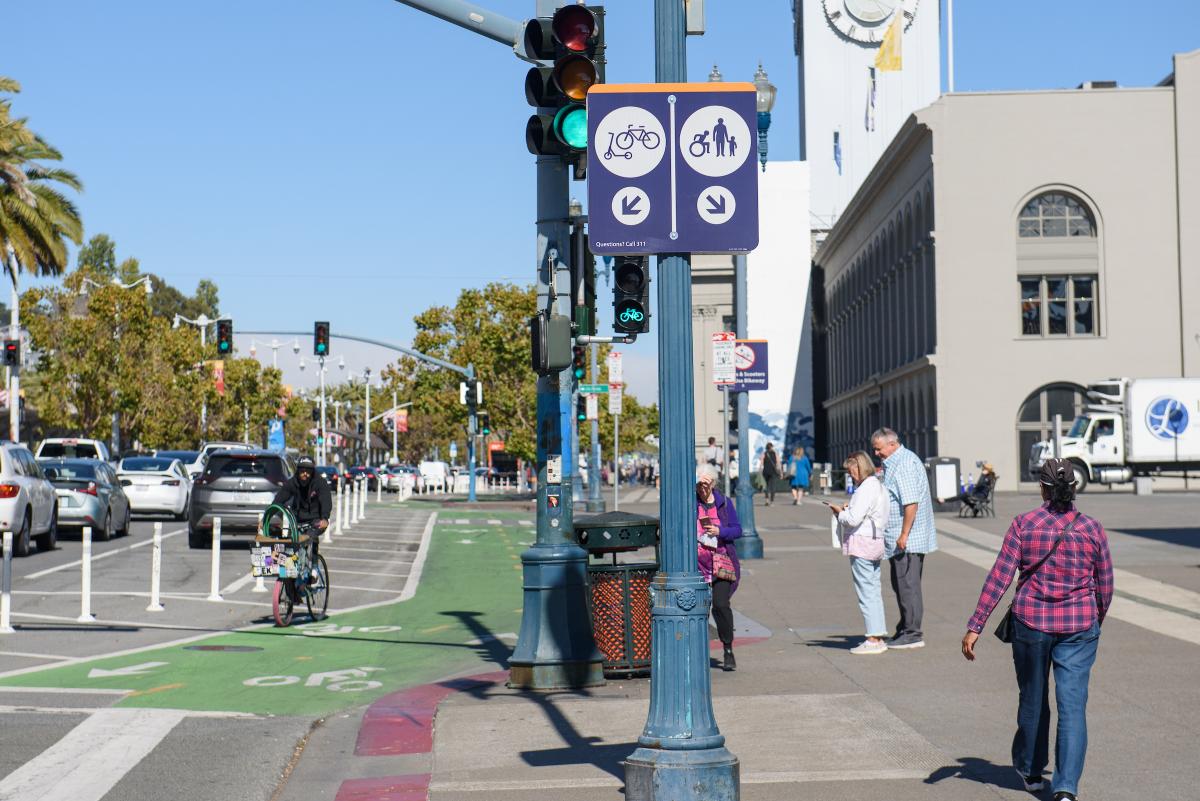
Signs for bicyclist and pedestrians show on a city street filled with cars

Signs posted throughout the project area direct people on scooters and bikes into the new bikeway to keep the promenade clear for people on foot and wheelchairs.

Promenade v. bikeway use for all wheeled users, pre and post implementation: 


AM peak (8am-9am)

PM peak (5pm-6pm)

Weekend peak (Sat 11:15am-12:15pm)


Promenade

Bikeway

Promenade

Bikeway

Promenade

Bikeway

October 2021 (before)

47%

53%

43%

57%

23%

77%

August 2022 (after)

14%

86%

22%

78%

6%

94%

Overall, the Embarcadero promenade is now less crowded and stressful for visitors; people passing through on bikes and scooters have a calmer, more straightforward experience now that they have a safe, dedicated space to travel. There is still room for improvement when it comes to people on bikes yielding to people in crosswalks, and the project team looks forward to continuing to explore solutions with the community as part of a future phase of the project.  

Speaking of community: a large part of this project’s success is due to ongoing collaboration with local stakeholders, including the farmers’ market hosted at the Ferry Building three times a week. While adding the new bikeway has required farmers’ market staff to adapt, they’ve been extremely helpful in providing feedback and working with the project team to identify solutions to vendor loading in the area. Additionally, the Ferry Building team is coordinating with project staff to identify spaces for new bike parking hubs, which will be installed in 2023 to expand parking availability in the area. For scooter riders, new regulations that took effect on November 1st limit scooter parking along portions of the Embarcadero waterfront and other popular areas, so be mindful of this guidance when planning your trip along this route. 

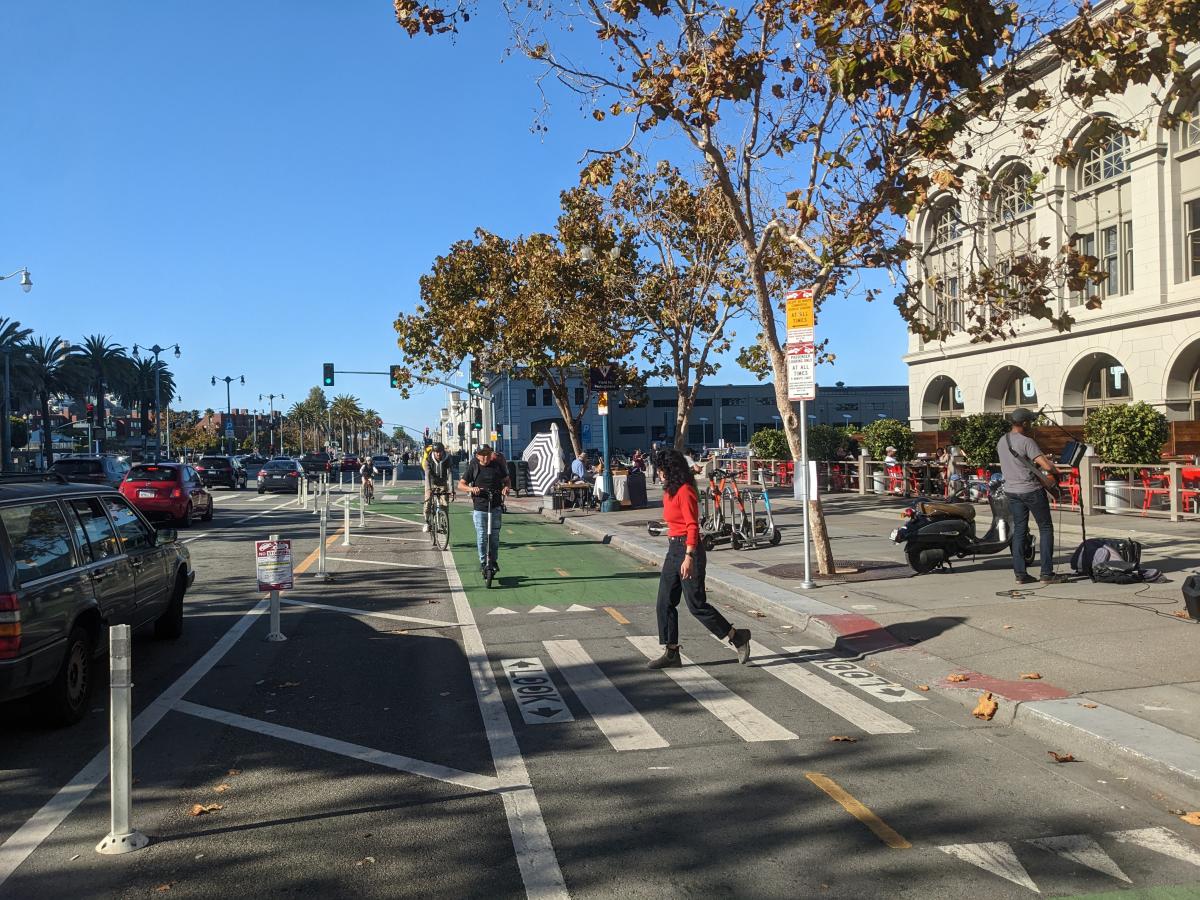
Pedestrian shown using a crosswalk at an intersection

Clear markings along the new protected two-way bikeway indicate safe places for pedestrians to cross.

Now that the bikeway has been in the ground for six months, the project team is focused on ensuring everyone can experience a smooth trip through the area. The evaluation highlighted issues with vehicle traffic backing up near the Broadway intersection, as the project reduced the number of left-turn lanes from two to one. The community supports studying an alternative approach that would re-establish two left-turn lanes onto Broadway, and the project team aims to field test the alternative layout in early 2023 pending approval by the Port of San Francisco. The team will also use the evaluation results to help inform the Central Embarcadero Safety Project capital phase, which will extend the bikeway south for two additional blocks while making targeted upgrades to the quick-build portion of the corridor.  

For now, you can find the whole evaluation report at SFMTA.com/Embarcadero--and if you’ve tried out the new bikeway in the last year, reach out to the project team [mailto:Embarcadero@sfmta.com link] to share feedback!


Published November 04, 2022 at 02:31PM
https://ift.tt/4Czpy8g

Chinatown Connects to Muni Metro

Chinatown Connects to Muni Metro
By Deanna Leo

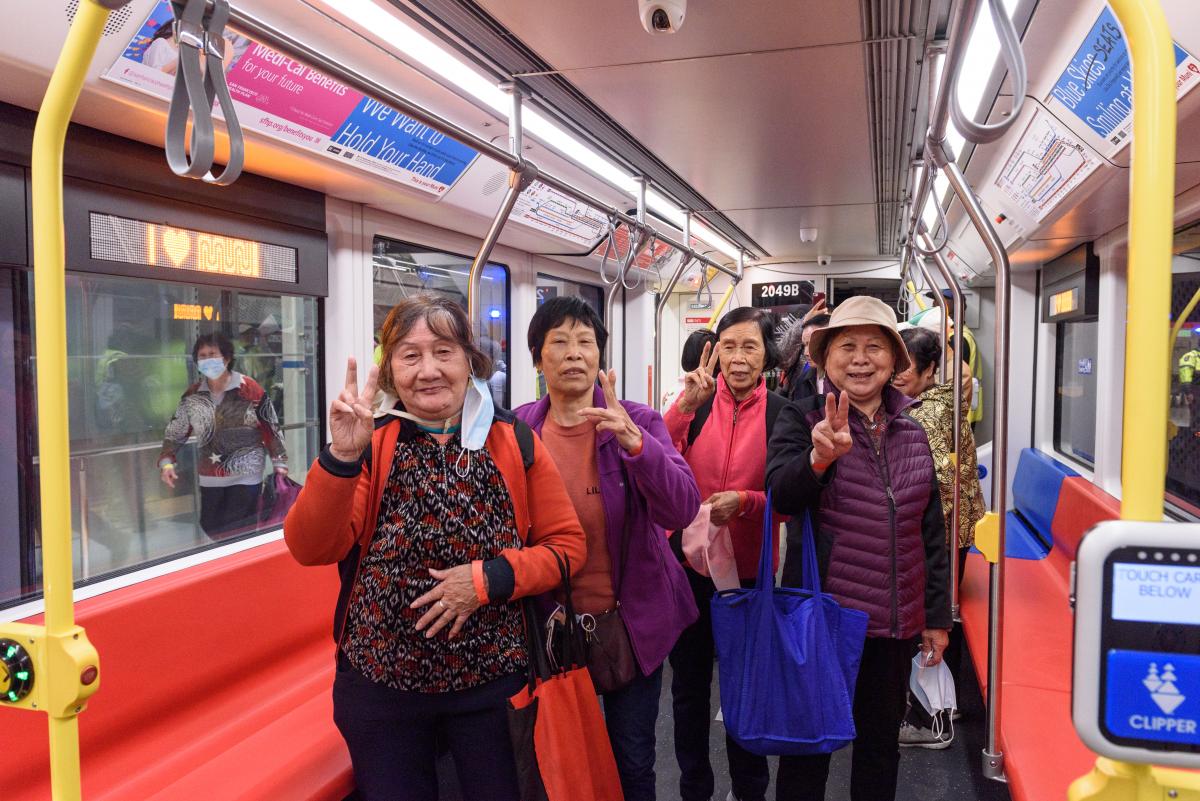
Image of Muni Metro riders smiling at the camera

With the completion of Central Subway, customers will be able to ride the T Third Muni Metro all the way from Visitacion Valley to Chinatown.

Starting November 19, when Muni Metro riders can first take Central Subway's special weekend service to Chinatown, prepare to spend the day in Chinatown enjoying all its sights, sounds and flavors. There is so much to explore in the largest Chinatown outside Asia!

Tourist attractions include the Dragon’s Gate, Old St. Mary’s Cathedral and Portsmouth Square, the site of San Francisco’s original customs house where today, members of the Chinese community spend the days singing or playing mahjong, a traditional and very popular tile-based game.

Fans of Amy Tan’s novel, The Joy Luck Club, can meander the streets of Chinatown searching for the places where her story unfolds. On Wavery Place you can visit the First Baptist Church where the four mothers in the story meet to play mahjong.

Muni Metro customers will find a seemingly endless array of Chinese grocery stores along Stockton Street, with staples like dried fish, assorted teas and unique fresh fruits and vegetables. Dine-in and take-out dim sum restaurants are also abundant, offering sweet and savory treats like dumplings, custard cakes, assorted bao and sesame balls. Don’t forget to stop by Chinatown’s famous Golden Gate Fortune Cookie Factory!

Traditional tea tastings at the local tea houses, nail spas and cocktail lounges invite visitors to stay a while longer.

Along Grant Street, where traditional red lanterns hang above the street, souvenir shops abound for visitors to take home a little bit of the Chinatown experience. Connect to Chinatown when you hop on Central Subway’s special weekend service starting Saturdays and Sundays, November 19, from 8 a.m.-12 a.m. 

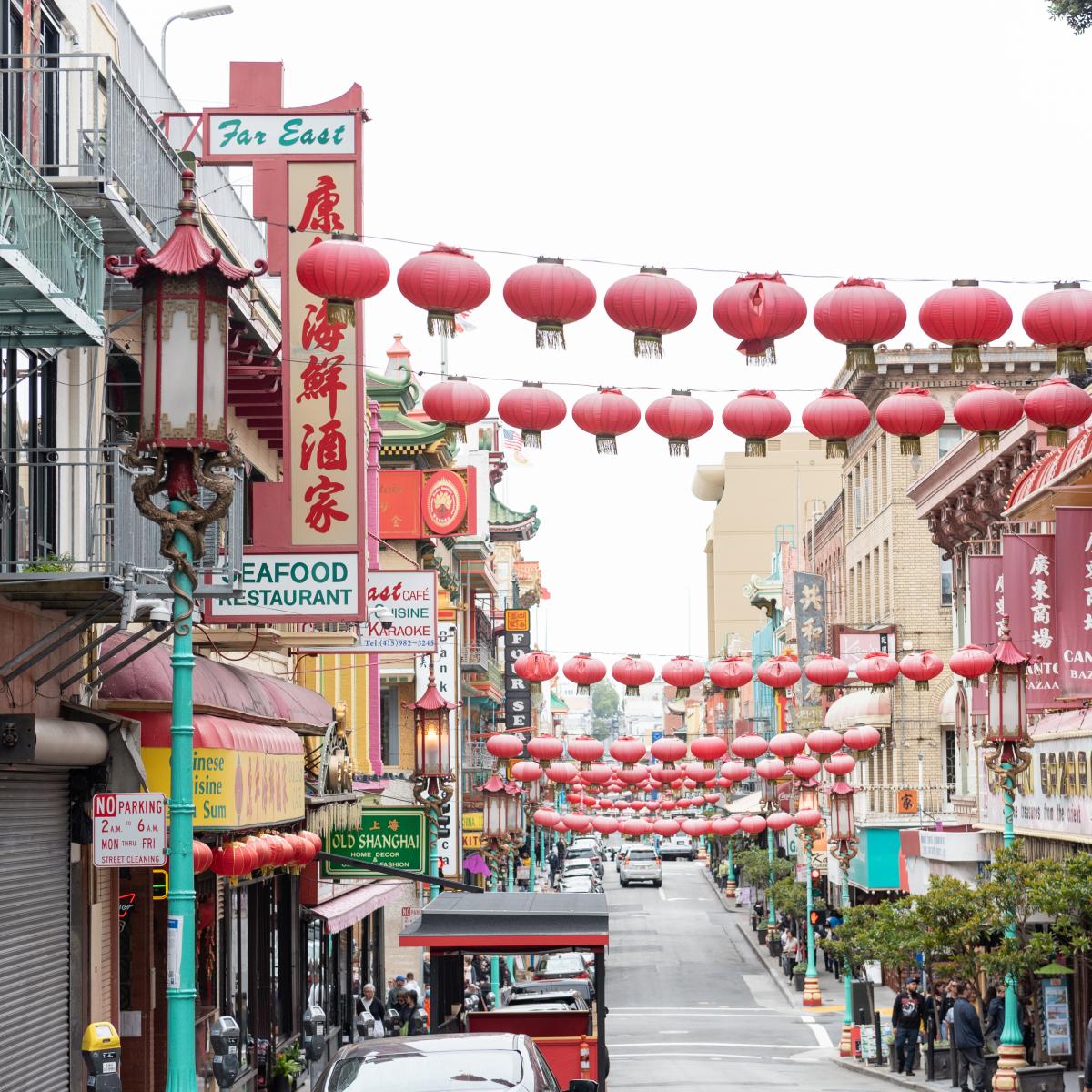
Image of Grant Avenue in Chinatown with red lanterns strung across the street from building face to building face.

Traditional Chinese red lanterns decorate Grant Avenue in Chinatown, The heart of San Francisco’s vibrant Chinese community.

Chinatown is a very popular place to visit in San Francisco and nearby Muni routes include:


Published November 04, 2022 at 12:09PM
https://ift.tt/T7e9Sqn

Wednesday, 2 November 2022

Over Half Next Generation Muni Shelter Displays Installed with More Upgrades Coming

Over Half Next Generation Muni Shelter Displays Installed with More Upgrades Coming
By Kharima Mohamed

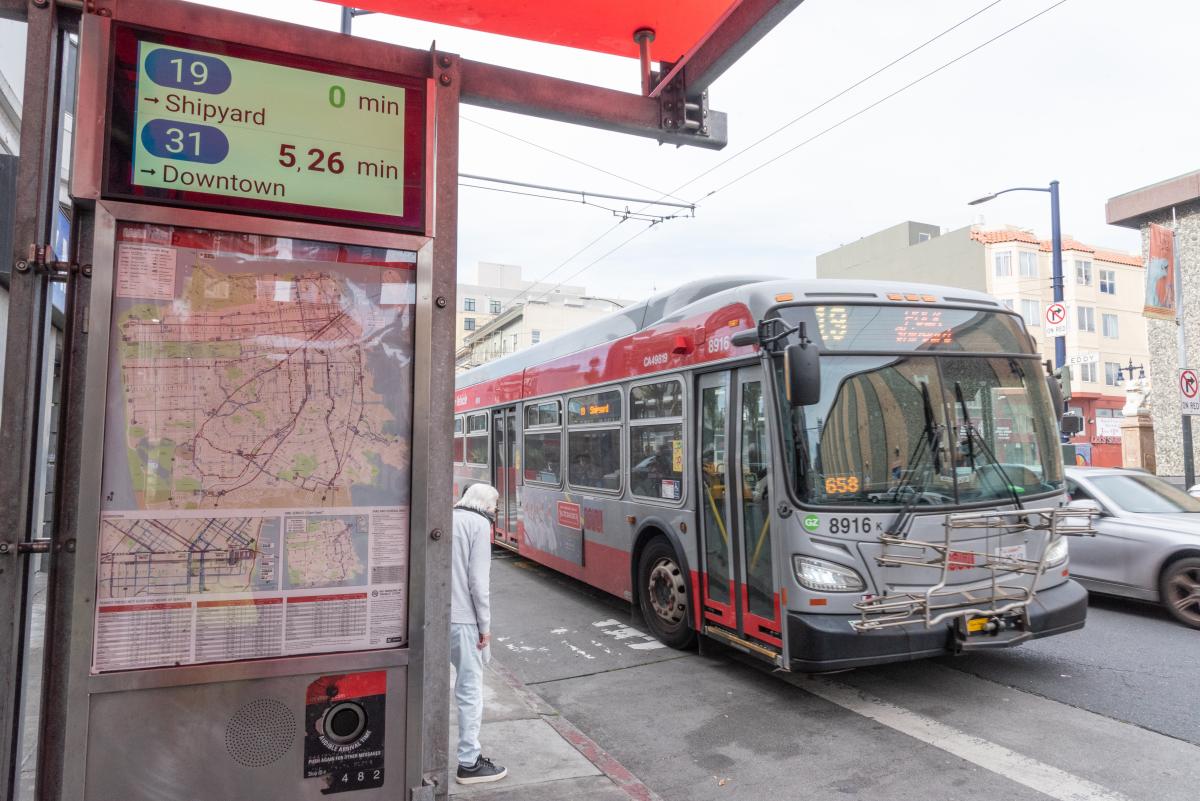
New Muni information screen at a bus shelter above Muni system map. New Muni service information displays are going into Muni shelters throughout San Francisco with updated features as part of SFMTA’s Next Generation Customer Information System upgrades.

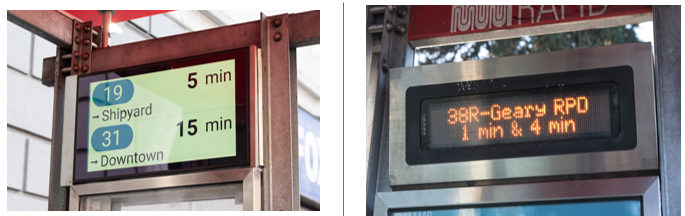
As part of our Next Generation Customer Information System (CIS) project, we are installing over 800 new, larger Liquid Crystal Displays (LCDs) at Muni shelters and stations, replacing existing NextBus signs and expanding real-time information coverage. So far, we are over halfway to completion, with over 435 new displays installed in shelters. New screens show real-time multilingual information including graphics, maps and destinations.

Two displays being shown comparing the old versus new displays

New LCD displays (left) are replacing the previous Muni information displays (right).

Beginning this fall, Muni predictions on our new and improved Next Generation screens will include:

  • Crowding. On vehicles equipped with automatic passenger counters, displays will show how crowded they are.
  • Short-term route changes. We’ll be able to show planned short-term route changes, such as routing around special events. 

We are aiming to replace the remaining displays by the end of 2023. Additionally, we are working on new display locations with an emphasis on underserved neighborhoods, such as those identified by the Bayview Community Based Transportation Plan.

Learn more about the remaining display installation work, what’s next for our Next Generation upgrades and the many new features rolling out soon.

Get Real-Time Stop Information When Predictions Are Unavailable

Due to the nationwide AT&T 3G shutdown on June 8, NextMuni displays that use 3G modems no longer show information. We have been upgrading to 4G modems to continue to provide predictions while we roll out the new LCD display and prepare more significant system software upgrades.

For display locations remain impacted by the 3G shutdown, riders can obtain real-time stop information by using the stop ID number posted at the bus stop:

  • Online enter SFMTA.com/ followed by the stop ID number (no spaces). The stop at Market and 11th streets with stop ID 13245 can be found at SFMTA.com/13245
  • Text “NextMuni” and the stop ID number to 41411. For the stop at Market and 11th with stop ID 13245, send the text “NextMuni 13245” to 41411.
  • Call 511 and say “Departure Times” and the stop ID. For the stop at Market and 11th with stop ID 13245, say “Departure times 13245.”


Published November 02, 2022 at 02:51PM
https://ift.tt/C3cUu1Y

Tuesday, 1 November 2022

Potrero Yard Modernization Project Reaches Milestone

Potrero Yard Modernization Project Reaches Milestone
By John Angelico

The Potrero Yard Modernization Project has reached a key milestone to replace the obsolete, 107-year-old Potrero Bus Yard with the nation’s first joint development of a bus facility with housing constructed on top. Today, the SFMTA Board of Directors approved awarding the project’s predevelopment agreement (PDA) to Potrero Neighborhood Collective, LLC (PNC) as lead developer (LD). This milestone serves as a starting point for Potrero Neighborhood Collective to work together with the City and project stakeholders to further develop the current concept design and start the process that will produce the final project and housing agreements. 

The successful proposal’s conceptual design is for a modern, three-story bus storage and maintenance transit facility and approximately 575 affordable rental units for those with low or moderate incomes. This unique use of a public resource to advance the City’s housing goals while improving desperately needed transit infrastructure would make the facility the first of its kind in the nation.  

Approximately half of the units are planned for low-income seniors, families and single-occupant households. The “low-income” designation is based on earning levels of 80% or below of the Area Media Income (AMI). The remaining units will be available to “moderate income” households earning between 80% and 120% of the AMI. Many SFMTA staff, including bus operators and maintenance staff, fall within this income bracket. 

The ambitious affordability goals for the housing component are reliant on competitive non-City sources, and should the project not secure these sources on a schedule that can accommodate the construction of the bus yard facility, the housing program may need to be amended  

Planning for the project included multiple outreach events with community members and organizations, as well as the formulation of the Potrero Yard Neighborhood Working Group, an advisory panel made of community stakeholders, housing advocates, nearby neighbors and transit operators. The successful proposal includes input received from the community and is consistent with City policies on anti-displacement, inclusive communities and creating stable housing for vulnerable populations.  

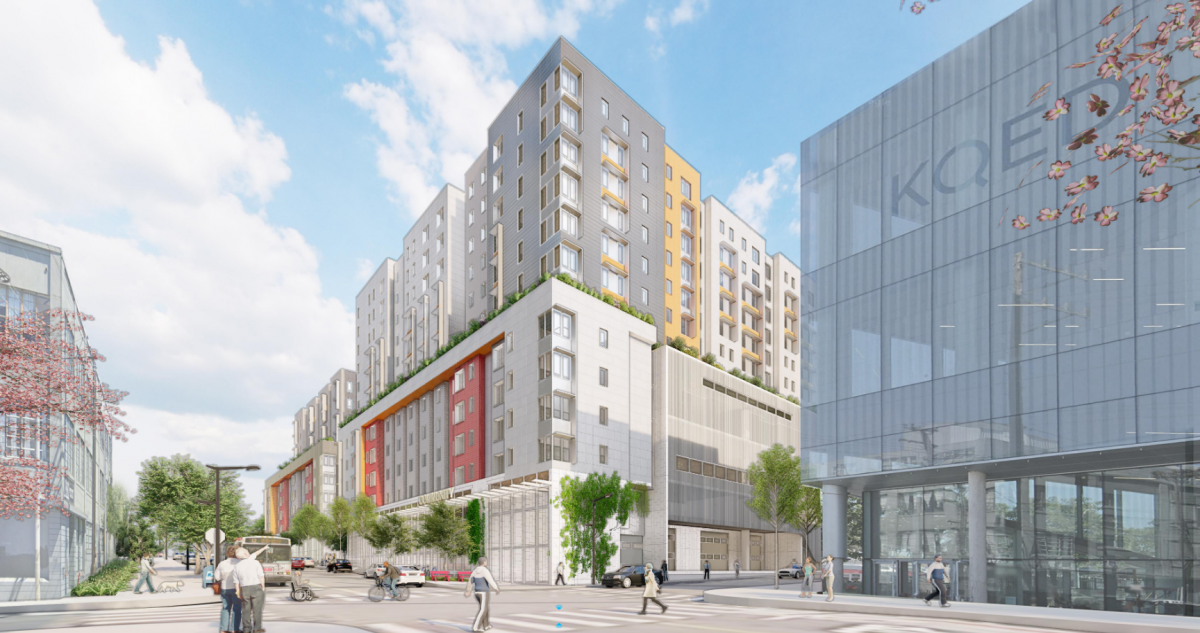
  Renderings of buildings on top of a bus yard with a bus, several parked cars and pedestrians along the streets and across the intersection

A conceptual rendering of the multi-use Potrero Yard Modernization Project design. This view looks at the SW corner of Bryant and Mariposa streets, and shows how housing elements might be situated atop a three-story, all-electric bus facility. The concept design includes commercial space fronting Bryant Street with ground floor spaces that anticipate uses by community-based organizations and small businesses, that would complement the existing neighborhood-serving commercial presence there. The concept design showcases a commitment to being a good neighbor to the community. For example, the building massing is oriented to minimize shadowing on Franklin Square Park with a design strategy that steps down the building height as it ranges from the highest point at Mariposa Street towards lower heights at 17th Street adjacent to the park.  

The Potrero Neighborhood Collective (PNC) team is led by its sole equity member, Plenary Americas US Holdings Inc. (Plenary). An investor and developer of public infrastructure, Plenary has a long track record of delivering complex infrastructure, project finance and public private partnership (P3) projects. PNC also includes veteran San Francisco affordable housing and housing developers Mission Economic Development Agency (MEDA), Young Community Developers (YCD), Tabernacle Community Development Corporation (TCDC), and Presidio Development Partners. Rounding out the team are design consultants IBI Group and Y.A. studio; providing preconstruction services from the general contracting and construction management perspective are Plant Construction Company and The Allen Group; and infrastructure facility management consultant WT Partnership.  

When the SFMTA launched the Building Progress Program in 2017 — a $2.3 billion multi-year effort to repair, renovate, and modernize the Agency's aging facilities —the first facility to be prioritized for an overhaul was Potrero Yard. Potrero Yard houses bus routes that service neighborhoods across the city, including many communities that are heavily reliant on transit. Routes include the 5 Fulton, 5R Fulton Rapid, 6 Haight/Parnassus, 14 Mission, 22 Fillmore and 30 Stockton.  

The current yard does not meet up-to-date seismic safety standards and is unable to adequately support modern maintenance and cleaning. The design of the new bus facility would provide adequate space and operational flow for bus maintenance, parking and circulation of the bus fleet. A modernized facility will create better working conditions for the frontline workforce entrusted with keeping the buses in safe operation and reduce downtime for buses for both scheduled and ad-hoc repairs. A new facility would make possible Muni’s transition to an all-electric fleet that uses trolley and battery electric buses (BEBs), a critical component in the City’s efforts to address climate change. The new facility is planned to have a fleet capacity of 213 buses, an increase of over 50% from current levels.   

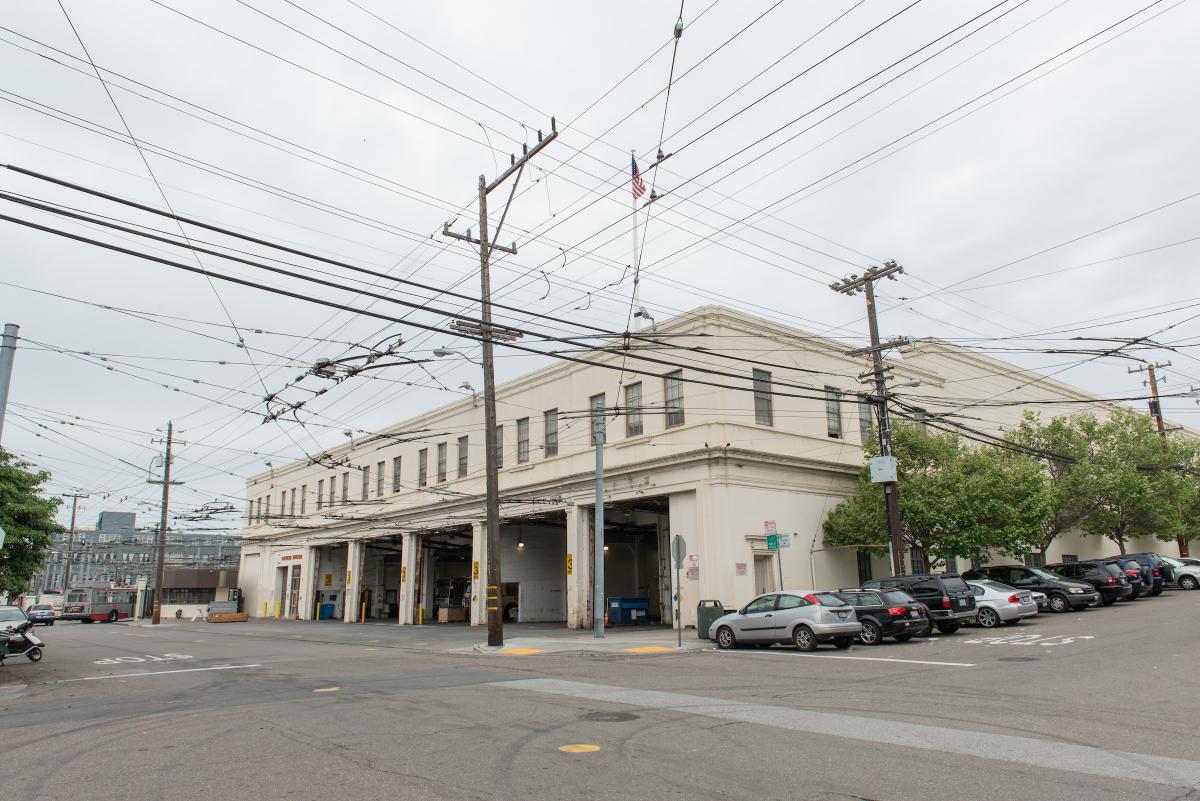
  Bus yard entrance shown with parked cars along the building side up the hill

The Potrero Division Building and Yard seen from the intersection of Mariposa and Hampshire streets.

Addressing the City’s affordable housing goal while creating a transit facility – one that will prepare the Agency for another century – demonstrates SFMTA’s continued national leadership in delivering sustainable transit and shows a capacity for creative thinking to address San Francisco’s housing goals. Check out the project presentation online, which provides information about this milestone and the successful proposal for the project. For additional information, visit the Potrero Yard Modernization Project website or SFMTA.com/PotreroYard.  


Published November 01, 2022 at 04:47PM
https://ift.tt/ENw8Zv3

Central Subway Opens November 19 with Special Weekend Service

Central Subway Opens November 19 with Special Weekend Service
By Mariana Maguire

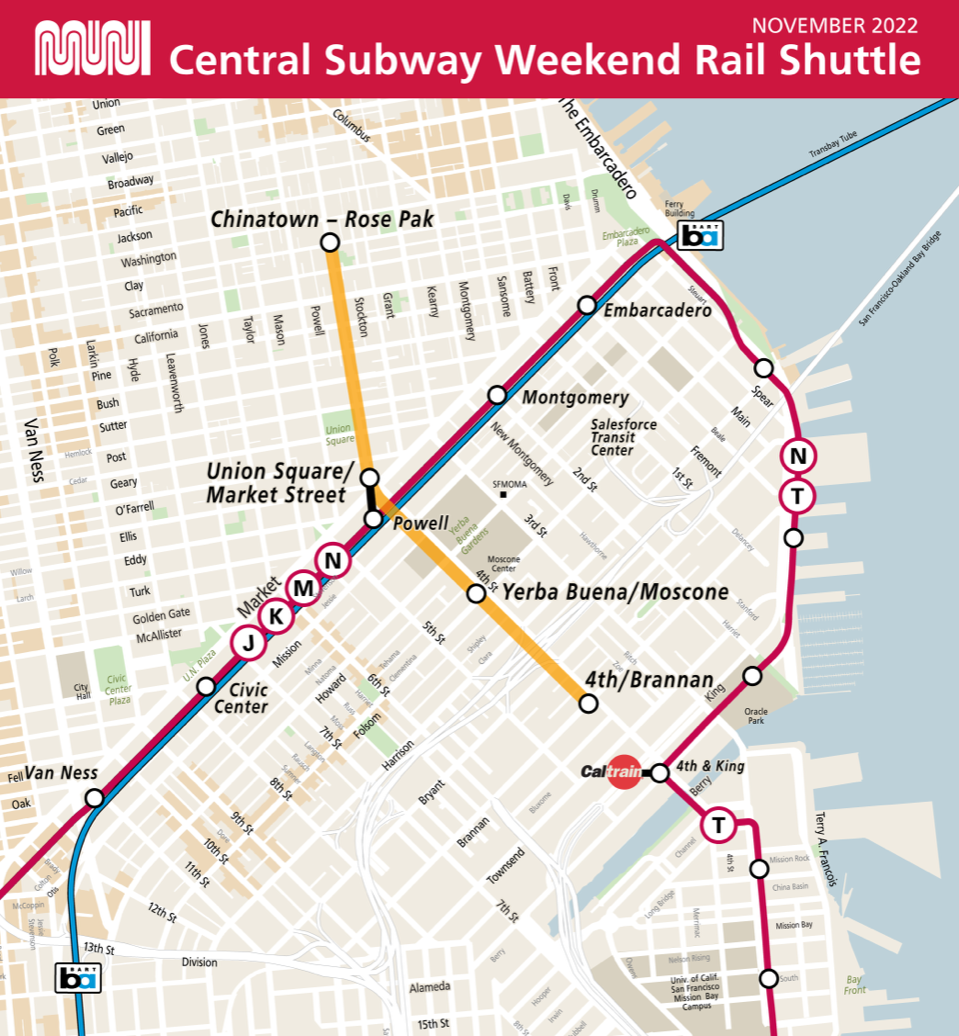
Map showing the existing Muni Metro system's J, K, L Bus, M, N and T lines with the new Central Subway connecting at Powell Station. The Central Subway goes to Chinatown-Rose Pak Station at Stockton and Clay, Union Square/Market Street Station at Geary and Stockton, Yerba Buena/Moscone Station at 4th and Folsom and 4th & Brannan Station at 4th and Brannan.

Central Subway special weekend service starts November 19 with service to Chinatown-Rose Pak Station, Union Square/Market Street Station, Yerba Buena/Moscone Station and 4th and Brannan.

On Saturday, November 19, the Central Subway makes its historic debut with special weekend service, Saturdays and Sundays, from 8 a.m. to 12 a.m. with trains every 12 minutes. During this special weekend service, customers will have a chance to ride through the new Central Subway for free and get to know the four new stations: Chinatown-Rose Pak at Stockton and Clay streets, Union Square/Market Street Station at Geary and Stockton streets, Yerba Buena/Moscone Station at 4th and Folsom and the new 4th & Brannan stop at 4th and Brannan streets.

During the special weekend service, customers can transfer to the new Central Subway service at Powell Station from Muni Metro and BART by walking underground to the new Union Square/Market Street Station.

The new Central Subway connects communities to destinations including Chinatown, Union Square, Yerba Buena Gardens, the Moscone Convention Centre, the Metreon and SFMOMA, just in time for the holidays.

Wayfinding Guidance

SFMTA ambassadors will provide wayfinding guidance online and in-person during special weekend service to help customers learn to navigate the new Central Subway stations and Muni Metro connections.

Online guidance will include a video that will be available on our website. Visit our Service Changes webpage (SFMTA.com/ServiceChanges) to learn more and sign up for a tour.

New T Third service in Central Subway is planned to start January 7

Beginning Saturday, January 7, SFMTA is planning to run the new T Third line service via Central Subway seven days a week, providing a direct connection from Chinatown-Rose Pak Station to Sunnydale. Weekday service will run from 6 a.m. to 12 a.m.. and weekend service will run from 8 a.m. to 12 a.m.. Stay tuned for more details!


Published November 01, 2022 at 11:38AM
https://ift.tt/KsrePMC

Monday, 31 October 2022

Showdown at the Cow Palace

Showdown at the Cow Palace
By Lori Phelan

Some of the agency’s most skilled transit operators, mechanics and parking control officers recently polished up their silver stars and rode into Daly City for an epic showdown at the Cow Palace. It was a chance to show they were the best of the best. And boy did they deliver!

....

The SFMTA Roadeo had dozens of transit operators navigate through a course containing various obstacle while under a strict time limit. 

The event was the 32nd Annual Bus Roadeo (and yes, you read that correctly). The name "roadeo" is derived from the better-known horse rodeo competition. The original roadeos, which began in 1937, featured trucks in various categories going through the same obstacles that drivers go through today. The agency took on the moniker in 1974 and held the inaugural event in the parking lot at the former Candlestick Park. It was there a dozen transit operators competed to determine who would lasso the award as best driver. There have been numerous Roadeos over time – 31 to be exact – but the event has been dormant since 2016. Bringing it back now is about so much more than bragging rights. “The Roadeo is about celebrating safety and customer excellence,” said Transit Director Julie Kirschbaum. "And that’s something we can all strive for at any time."

a team of operators lined up in front of a vintage bus outside in the parking lot

Muni operators lineup to compete in the Bus Safety Rodeo at Candlestick Park (SFMTA Photo Archive, Oct. 29, 1974)

As part of the contest, dozens of transit operators had to navigate 40’ buses through a course containing various obstacles while under a strict time limit. A few of the boxes they needed to check included driving through a narrowing lane that is only 3-inches wider than the bus and stopping within inches of a simulated curb. As drivers negotiated the obstacle course, the buses were also equipped with a device that generated a smoothness of operation score.

Muni mechanics also competed in their own competition. Teams faced off in multi-test challenges that featured simulated vehicle problems and breakdowns. Participants were tasked with diagnosing and repairing issues in a timed contest. They were joined by many of the agency’s parking control officers who competed in their own three-wheeled interceptors, navigating a very tight, timed course.

Crew members in front of an engine

Mechanics competed in teams, working to resolve complex issues they face on a regular basis. 

Cones in pattern formation on a parking lot with parked buses, parking enforcement vehicles and people

Parking Control Officers competed against each other navigating a maze that had them perform complex maneuvers at various points. 

According to event frontrunner and Transit Senior Operations Manager Leda Rozier, "This event is about so much more than a skills contest (although that’s important), it’s about building on teamwork, morale and communication. The rest of us at the agency have certainly been impressed and consider ourselves lucky to call all the competitors our colleagues."

Operators standing in front of parked buses

Several vintage buses (No. 42 the 1938 White; No. 2230 the 1956 Mack; and No. 3287 the 1969 GMC) along three of our newest battery electric buses from each manufacturer from the pilot fleet were on display, as well as a private car collection. Shown with transit operator competitors.

Winners and organizers will be honored at the SFMTA Board of Directors meeting at 1 p.m., Nov. 1 at City Hall, Room 400. Meetings are open to the public and are streamed live through SFGovTV.


Published October 31, 2022 at 01:38PM
https://ift.tt/DuF0yCf